Silk Scarves Manufacturing A Guide to Quality and Craftsmanship
Silk scarves serve as high-end accessories. People value them for their grace, flow, and use in clothing lines. For companies that buy good silk scarves, the way they make the items decides how well the products work, how long they last, and how much buyers like them. This guide looks at the whole process. It covers steps from raw materials to final touches. It focuses on technical rules, different materials, and quality measures. These points matter for large orders and private label programs.
Silkworm Breeding and Silk Extraction
Sericulture Practices and Cocoon Selection
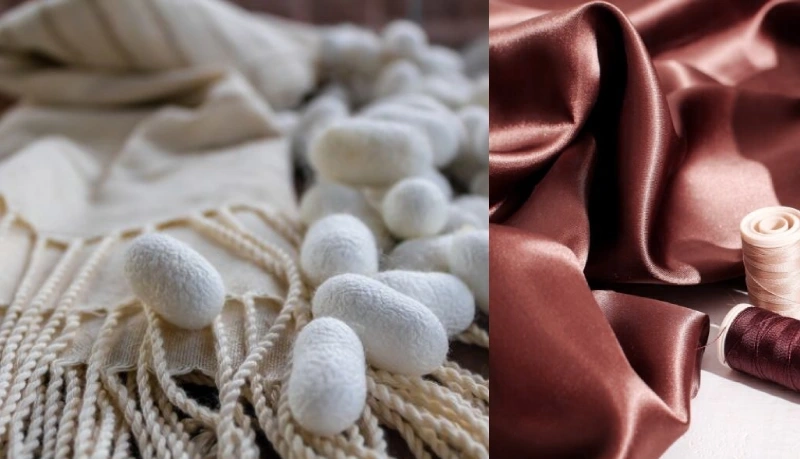
Silk production starts with careful sericulture. Silkworms, mainly Bombyx mori, eat only mulberry leaves in controlled spaces. Good temperature and humidity during the larval stage help create even cocoons and strong filaments.
Filament Reeling and Degumming Process
After the cocoons form, the filaments go through stifling and reeling steps. Hot water or enzyme treatments remove the sericin gum. This step allows continuous unwinding of filaments. These filaments can reach lengths of 800–1,500 meters per cocoon. Mulberry silk serves as the top standard. It has uniform filament diameter, great shine, and strong tensile strength. Breeding conditions affect fiber quality. These conditions influence metrics such as denier, evenness, and purity.
The Different Types of Silk – A Deeper Dive
Chiffon Silk Characteristics
Chiffon silk has a light, plain-weave build. It uses high-twist yarns. These yarns create a thin, open feel. Its low density gives fine drape and breathability. This makes it good for layering items in seasonal lines. Tight tension control during weaving stops distortion. It also keeps the light quality after finishing.
Satin Silk Properties
Satin silk uses a floating weft build. This gives a smooth surface with clear shine. The weave improves light reflection. It also offers a soft hand. Higher momme weights add durability for bold scarves. Still, careful processing keeps the bright quality. Satin stays a top pick for luxury uses that need strong visual effect.
Twill Silk Advantages
Twill silk has a diagonal rib pattern. This pattern raises fabric strength and resistance to wear. This build gives better wrinkle recovery and warmth compared to lighter weaves. The textured surface takes prints with sharp detail. It also supports daily use in wholesale programs.
Crepe de Chine Performance
Crepe de Chine creates a light pebbled texture. High-twist yarns in a plain weave make this texture. The matte finish deepens color in prints. It also cuts down on wrinkling. Its balanced weight and smooth drape make it useful across many scarf types and seasons.
Additional Silk Fabric Options
Georgette, habotai, charmeuse, and organza add more design choices. Selection standards for manufacturers include target momme weight. This weight usually falls between 8–16 for scarves. They also check yarn count and weave density. These factors match needed performance rules.
The Weaving Process
Yarn Preparation and Warping Techniques
Reeled silk yarns go through warping and sizing before they reach looms. This step keeps tension even. It also lowers breakage in fast operations.
Loom Technologies and Weave Construction
Traditional shuttle looms or modern rapier and air-jet machines create fabrics with different densities. Hand-weaving gives special character for small runs. Automated systems provide uniformity at large scale. Tight weave builds with higher thread counts improve durability and color hold. Facilities watch tension and humidity during weaving. This step reduces fabric faults and protects selvage integrity.
Dyeing and Printing
Dye Selection and Application Methods
Color methods affect final product quality. Reactive dyes connect with silk proteins. They give strong wash fastness. Acid dyes create bright shades. Process controls manage penetration and evenness across batches.
Printing Techniques for Scarf Production
Screen printing works for large runs of solid or simple patterns. It uses thick ink layers. Digital inkjet printing allows detailed, multi-color designs. It offers exact registration. It also supports double-sided work to solve penetration issues on silk. Hand painting fits special, unique productions.
Environmental and Certification Standards
Oeko-Tex Standard 100 certification checks for no harmful substances. Modern facilities use effluent treatment and water recycling. These steps meet international rules for global supply chains.
Processing and Finishing
Color Fixation and Washing Procedures
After color steps, workers do full washing. This removes extra dyes and chemicals. Then they use steaming for color fixation. Controlled drying and ironing bring back fabric hand and size stability.
Edge Finishing and Final Treatments
Edge finishing sets quality levels apart. Hand-rolled hems give better flexibility and high-end look. Machine hemming supports bigger production volumes. Extra treatments like softening agents change drape and texture. They follow buyer needs. Full inspection spots shade changes, print alignment, and build defects before packaging.

Quality Control in Silk Scarf Manufacturing
Raw Material and In-Process Inspections
Strong quality systems use several inspection points. Raw material tests check filament strength and purity. In-process checks watch dye uptake, print registration, and weave consistency during production.
Final Audit Protocols
Final audits review dimensional stability, seam strength, and overall look. Three-round inspection protocols from printing through sewing keep consistency in large orders. Labs with color spectrophotometry, wash testing, and lightfastness evaluation make sure products meet exact buyer needs. Traceability systems record each production batch from cocoon to finished scarf.
Customization Capabilities for Bulk and Private Label Orders
Design Development and Fabric Selection
Modern silk scarf manufacturers support full customization. Services include design file preparation, fabric selection from plain and stretch varieties. These varieties include silk stretch double georgette, crepe de chine, and satin. They also cover precise color matching and pattern development.
Production Flexibility and Minimum Order Quantities
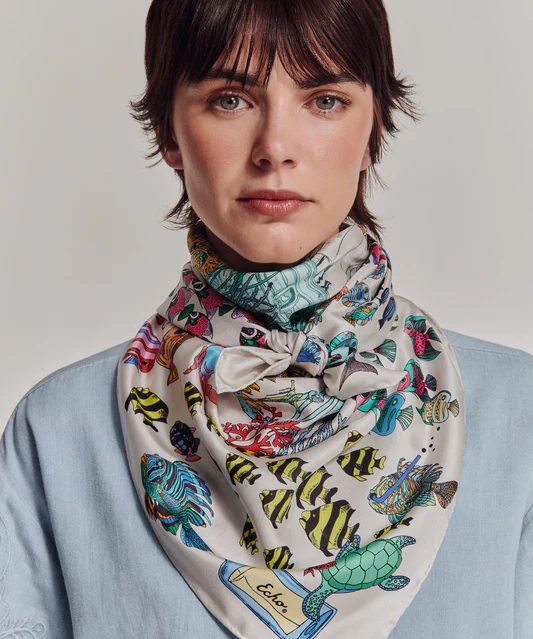
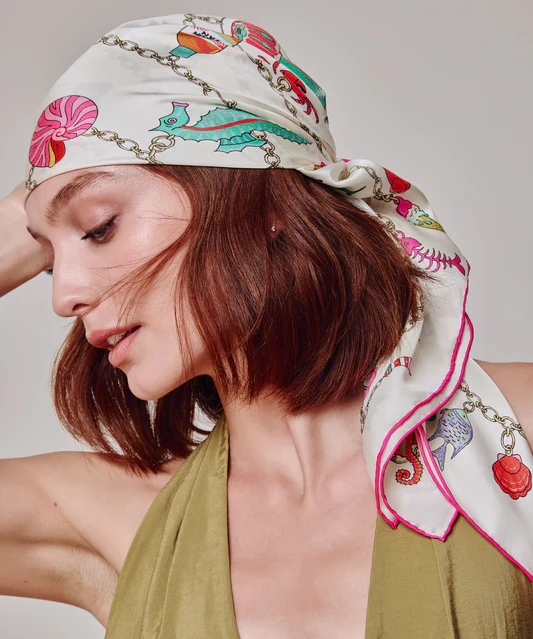
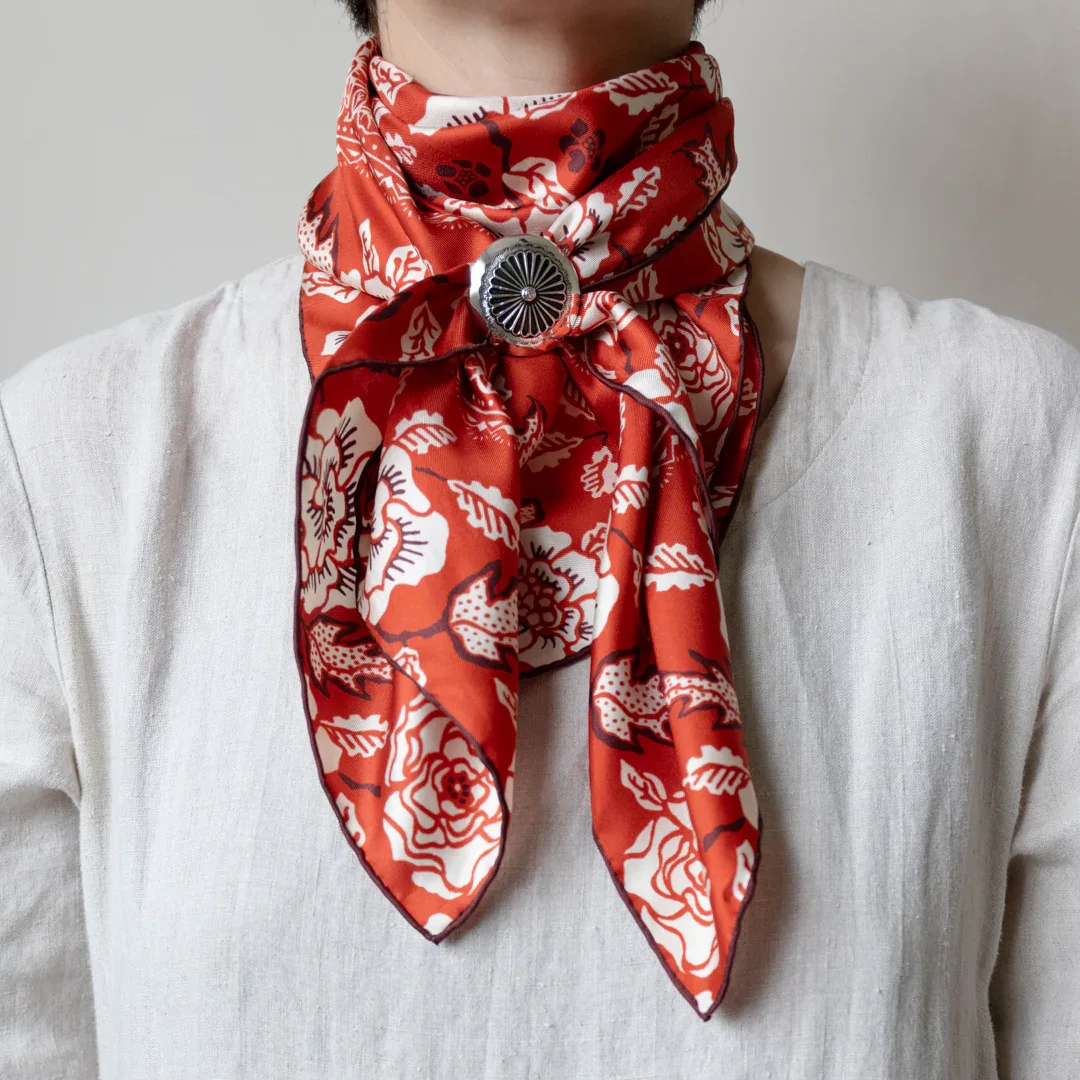
Low minimum order quantities allow testing of new designs. This reduces inventory risk. One-stop solutions combine fabric production, printing, cutting, sewing, and labeling. This approach shortens timelines. It also keeps quality control. Capabilities reach various scarf formats. These formats include oblong, square, bandana, and headscarf styles. They come in solid color and printed versions.
Supply Chain and Production Efficiency
Integrated Manufacturing Operations
Integrated operations from greige fabric sourcing to finished goods delivery help competitive lead times. Facilities that mix traditional skills with digital tools reach high print quality and production flexibility. Ethical sourcing practices and sustainable processing support compliance with global buyer standards.
Logistics and Delivery Management
Efficient logistics options, including express and sea freight, fit different volume and urgency needs. Structured workflows from artwork confirmation through sample development, formal production, quality inspection, and timely shipping ensure reliable fulfillment for international clients.
What to Look for When Sourcing Silk Scarves
Material and Construction Specifications
Procurement teams should check momme weight, silk type (mulberry), and detailed construction parameters. These checks ensure performance fits end-use requirements.
Workmanship and Certification Indicators
Key indicators include hem quality, print penetration, seam precision, and relevant certifications such as Oeko-Tex. They also include full traceability documentation.
Supplier Capacity and Process Reliability
Assessment of production capacity, quality systems, sample approval processes, and customization flexibility helps secure consistent supply of scarves. These scarves suit demanding wholesale and retail channels.
Conclusion
Silk scarf manufacturing combines sericulture science, textile engineering, and finishing skills. This creates high-value products. Understanding each stage helps make smart sourcing choices. These choices balance quality, cost, and performance needs. Professional manufacturers keep strict standards through the whole chain. They deliver scarves for tough global markets.
FAQs
How to Make Silk Scarves?
Silk scarves are produced through sequential steps. These steps include sericulture and filament reeling, yarn preparation and weaving into base fabrics, dyeing or printing for coloration, and final processing. Final processing includes washing, finishing, and hemming.
What is the best type of silk for a scarf?
Selection depends on end use. Satin and charmeuse offer luxury luster. Twill provides durability. Chiffon and georgette deliver lightness. Crepe de chine balances texture and drape.
How can manufacturers ensure high quality in silk scarves?
Consistent quality results from premium mulberry silk sourcing, tight process controls, multiple inspection stages, and certified dyeing and printing methods.
What is Oeko-Tex Standard 100 certification?
This independent certification confirms that textiles are free from harmful substances. It supports safety and environmental standards for finished products.
What is the difference between hand-rolled and machine-hemmed edges?
Hand-rolled edges deliver a flexible, premium finish with superior appearance. Machine hemming enables greater efficiency for larger production runs.
Is organic silk really better?
Organic silk production follows stricter ecological guidelines during sericulture. It potentially reduces chemical residues and supports sustainable farming practices.
Where does silk come from?
Commercial silk primarily originates from cultivated mulberry silkworms. Major production regions sit in Asia.
Partner with a Reliable Silk Scarf Manufacturer and Supplier
Xinhe Textiles specializes in supplying high-quality silk fabrics in both plain colors and prints. It also creates high-end and luxurious silk scarves. Businesses seeking consistent quality, customization flexibility, competitive pricing, and reliable delivery can explore partnership opportunities. These opportunities cover bulk fabric and finished scarf requirements. Contact the team to discuss project specifications, request samples, or obtain quotations for upcoming collections.