

What Is Silk Made Of
Silk is a natural protein fiber. Silkworms produce it. People have used it for textile manufacturing for thousands of years. It differs from plant-based fibers like cotton. It also differs from synthetic materials like polyester. Silk comes from a biological spinning process. In this process, insects turn amino acids into long, continuous filaments. The result is a material. This material mixes natural luster, softness, and high tensile strength in one fiber structure.
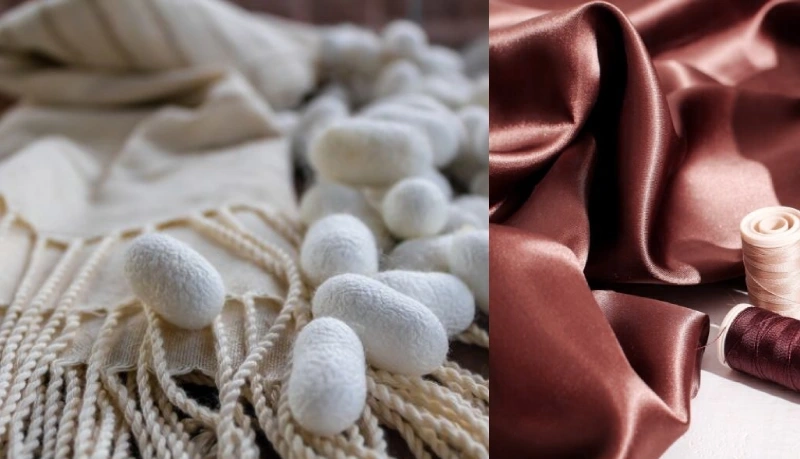
1. Biological Origin of Silk Fiber
Silk comes from the domesticated silkworm Bombyx mori. Farmers raise it through a controlled agricultural system called sericulture. In this process, silkworms grow carefully. They eat mulberry leaves until they mature. Then, they start spinning cocoons. Each cocoon forms from a single continuous filament. This filament can reach hundreds of meters in length. Thus, silk becomes one of the longest natural fibers in nature.
The silkworm makes silk through special glands in its head. It extrudes the liquid protein through a spinneret. The protein solidifies right away when it touches air. This forms a thin but strong thread. This biological change is the base of all silk textile production. It shows why silk cannot be fully copied by mechanical or synthetic ways without biological help.
2. Core Chemical Composition of Silk
Silk consists mainly of two natural proteins: fibroin and sericin. These proteins form a composite structure inside the cocoon. They create silk’s mechanical strength, surface texture, and finishing traits after processing.
Fibroin as the Structural Core Protein
Fibroin serves as the main structural part of silk fiber. It usually makes up around 70–80% of the cocoon shell. Amino acids like glycine, alanine, and serine build it. These form tightly packed beta-sheet structures at the molecular level.
This tight setup lets fibroin give silk its main physical traits. These include high tensile strength, elasticity, and a smooth reflective surface. Fibroin molecules organize highly. As a result, silk fibers stay strong even when very thin. This is one of the most special features of natural silk textiles.
Sericin as the Binding Protein Layer
Sericin covers the fibroin core. It is a sticky, water-soluble protein. This protein works as a natural adhesive. It makes up about 20–30% of raw silk. It holds individual fibroin filaments together inside the cocoon.
During textile processing, workers remove sericin in a step called degumming. This removal boosts softness. It also cuts stiffness and improves the natural sheen of silk fabric. Sericin does not stay in the final textile fiber in most uses. Yet, it protects the cocoon structure during silk formation.
3. Structure and Formation of Silk Filament
Silk stands out among natural fibers. It exists as a continuous filament rather than short staple fibers. One cocoon can yield a filament from several hundred meters up to nearly one kilometer in length.
Inside the cocoon, two fibroin filaments form at the same time. Sericin bonds them together. The silkworm extrudes these filaments through its spinneret. They harden into a single thread right away. The mix of continuous length and molecular alignment gives silk its great smoothness and draping ability.
The structure of silk fibers has both crystalline and amorphous regions. Crystalline areas offer strength. Amorphous regions provide flexibility and elasticity. This mix of firmness and movement makes silk fabrics durable and comfortable.
4. Sericulture: Controlled Production of Silk Material
Silk production starts with sericulture. This is a structured agricultural process. It includes breeding silkworms, keeping feeding conditions, and handling cocoon formation. Farmers raise silkworms in controlled settings. They regulate temperature, humidity, and cleanliness strictly. This ensures fiber consistency.
The larvae eat almost only mulberry leaves. These leaves supply the amino acids for fibroin and sericin synthesis. When the silkworm matures, it spins its cocoon. The cocoon acts as a protective case for metamorphosis. In commercial silk production, workers collect cocoons before the moth comes out. This keeps the continuous filament intact.
Sericulture is a biological process. It is also a precise system. This system affects silk quality, fiber length, and uniformity directly.
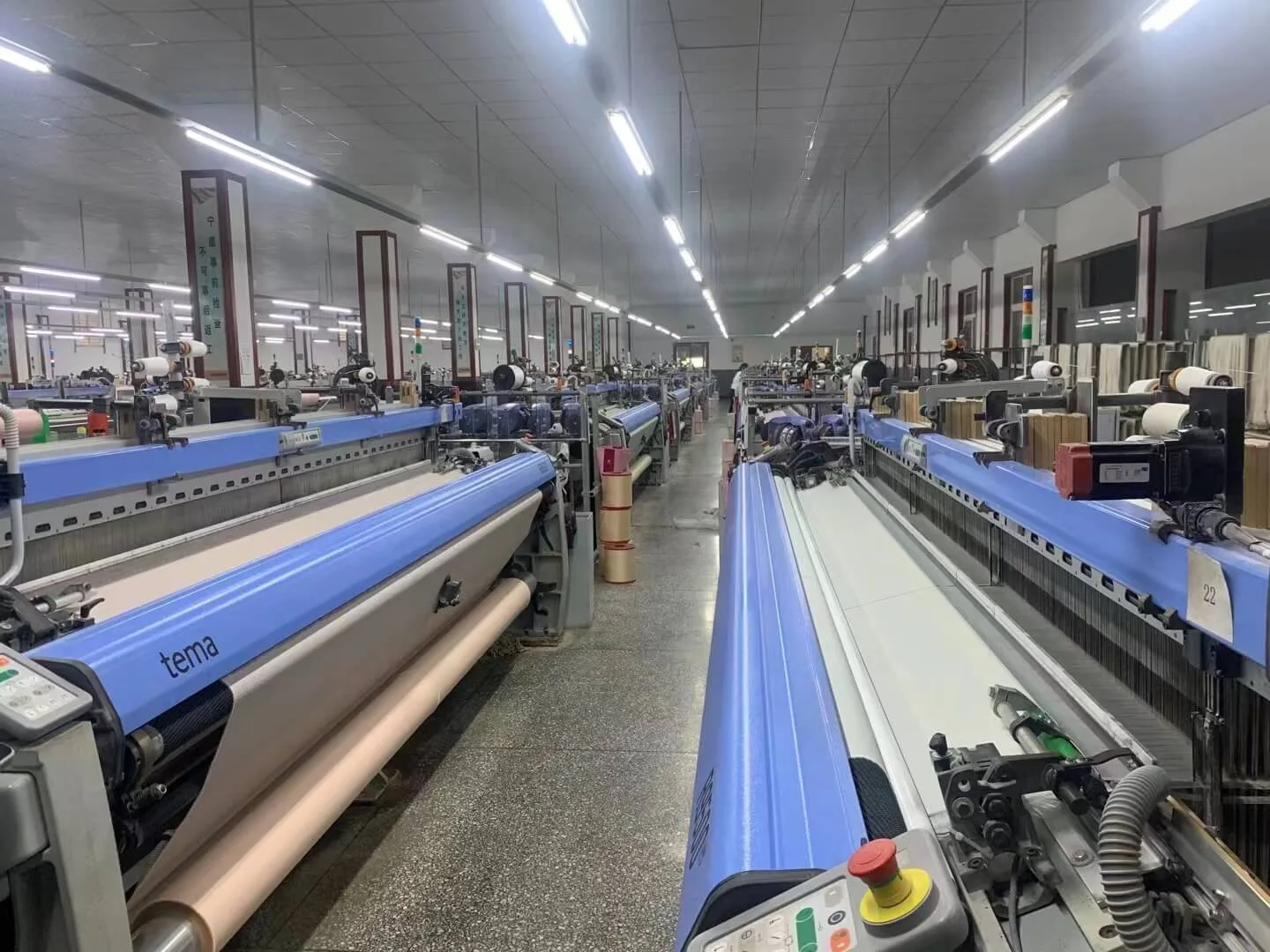
5. Industrial Processing of Silk Fiber
After harvesting cocoons, silk goes through several transformation stages. It becomes fabric only after these steps. They turn raw biological material into a usable textile fiber.
5.1 Cocoon Softening and Reeling
Workers soften cocoons in hot water first. This loosens the sericin coating. Then, the silk filament unwinds carefully in a process called reeling. Workers often combine multiple filaments. They form a stronger thread for weaving.
5.2 Twisting and Yarn Formation
The reeling process creates very fine filaments. These are not strong enough for direct textile use. Workers twist them together in a process called throwing. This forms yarn with better strength, elasticity, and stability.
5.3 Degumming and Finishing
Degumming removes sericin fully. It leaves only fibroin-based fibers. This step boosts softness a lot. It also enhances silk’s natural shine. After degumming, workers may dye, treat, or finish silk yarns. They do this based on the final use.
5.4 Weaving into Fabric
The prepared yarn weaves into fabric. Various techniques determine texture, density, and pattern. The final silk textile can range from lightweight chiffon to dense satin-like materials. Weaving structure and finishing methods decide this.
6. Physical and Functional Properties of Silk
Silk’s protein composition gives it special physical properties. These are rare among natural fibers. It has high tensile strength despite its thin diameter. This lets it stay durable while keeping a soft texture. The triangular cross-section of silk fibers boosts light reflection. As a result, silk gets its typical natural sheen.
Silk also absorbs moisture well. It holds water without feeling wet. It is breathable and adjusts to heat. This makes it comfortable in warm or cool places. These traits link directly to the molecular structure of fibroin. They also link to the controlled removal of sericin during processing.
7. Variations in Silk Types and Fiber Quality
Silk keeps its protein structure the same chemically. Yet, quality varies from silkworm species, feeding conditions, and processing methods. Mulberry silk counts as the top quality. It has long, uniform filaments and a smooth surface texture.
Other silk types may have shorter fibers or uneven structures. This leads to different textures and performance traits. Fiber length, processing degree, and spinning techniques all add to the final quality. They affect usability of silk textiles in industrial and fashion uses.
FAQ:
1. What is silk made of at the molecular level?
Silk consists mainly of two proteins. Fibroin forms the structural fiber. Sericin acts as a binding coating around the fiber.
2. Is silk a natural or synthetic material?
Silk is a natural fiber. Silkworms produce it biologically during cocoon formation. It is not synthetically made.
3. Why is sericin removed from silk?
Workers remove sericin during processing. This improves softness, boosts luster, and creates a smoother textile surface.
4. How long is a single silk filament?
One cocoon can produce a continuous filament. It ranges from several hundred meters up to about 900 meters.
5. What makes silk both strong and soft?
Silk’s strength and softness come from its fibroin protein structure. It forms tightly packed crystalline regions. It also has flexible amorphous regions.
6. What determines silk quality?
Silk quality depends on fiber length, uniformity, silkworm diet, and processing methods. These include reeling and degumming.
Silk Fabric Manufacturer & Supplier for Premium Textile Solutions
Xinhe Textiles focuses on supplying high-quality silk fabrics. These come in plain colors and prints. The company also creates high-end and luxurious silk scarves. As a professional silk fabric manufacturer and supplier, Xinhe Textiles stresses consistent fiber quality. It uses refined weaving techniques. It offers diverse customization options. These meet the needs of global textile, fashion, and luxury goods industries.
Xinhe Textiles has strong production capability. It also has experience in silk material development. The company provides scalable solutions. Brands use these for premium silk textiles in apparel, accessories, and commercial collections. Contact Xinhe Textiles today.

