Premium Silk Scarf Printing Where Art Meets Elegance
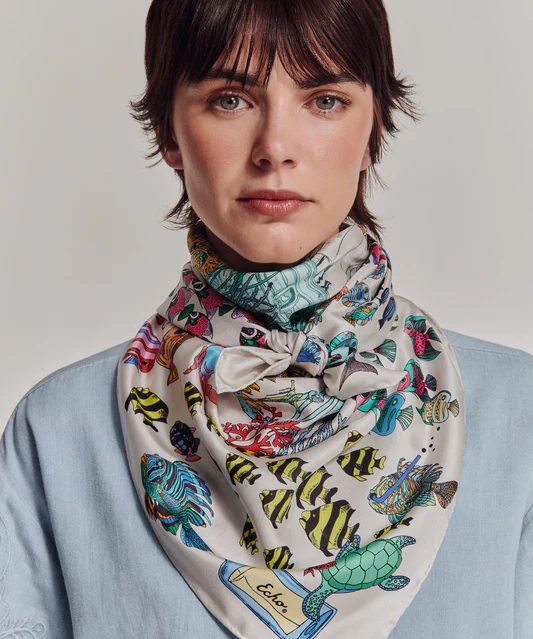
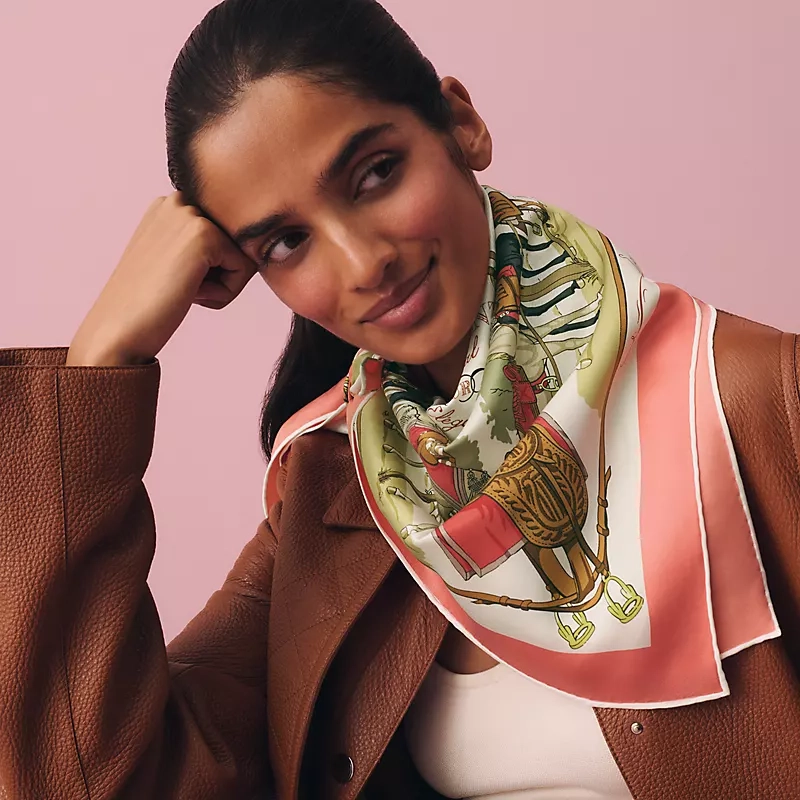
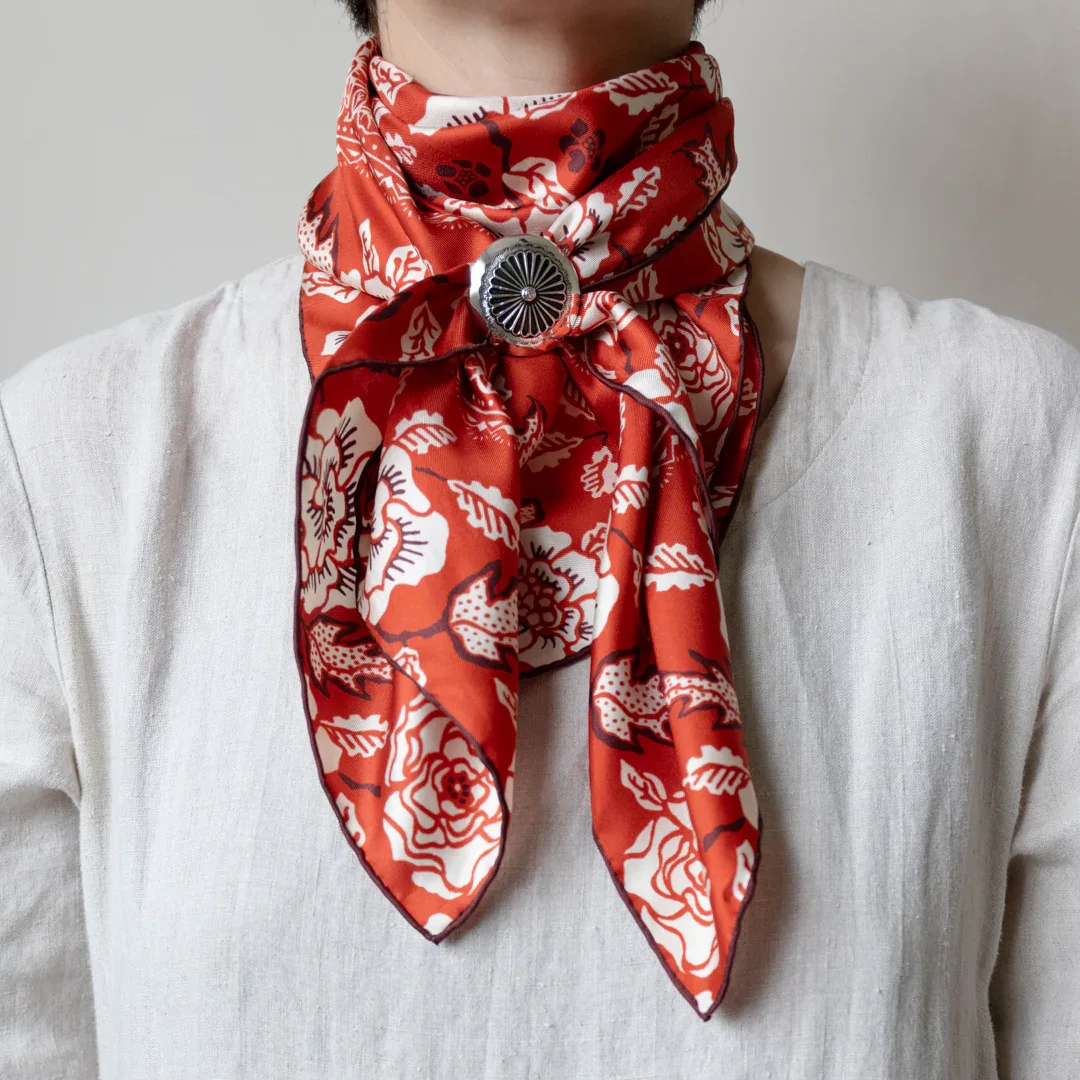
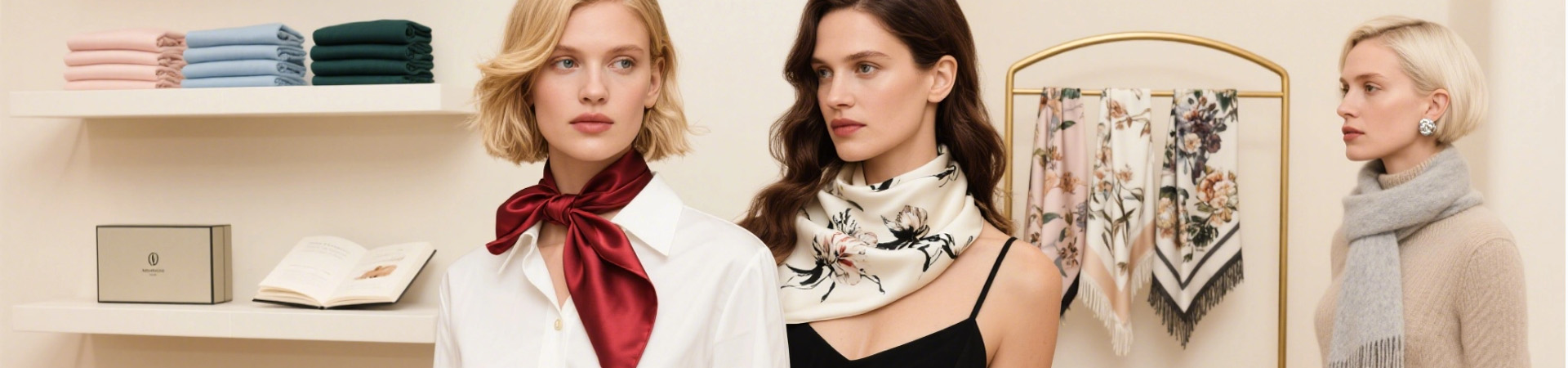
Printing on silk scarves is the highest level of textile printing, blending fine design with fine fibers. For manufacturers, suppliers, fashion brands and retailers of high quality clothing and accessories such as silk scarf printing, creating these luxury accessories offers great potential. They can be produced in unique colors and designs of the highest quality, and possess a high retail value. High value fashion accessories such as silk printed scarves are a luxury item that can project high fashion and luxury, thereby communicating a brand’s image and identity. Printing on silk enables designers to create beautiful items that are of the highest quality, retaining the silk’s natural softness, drape and sheen whilst offering great color fastness.
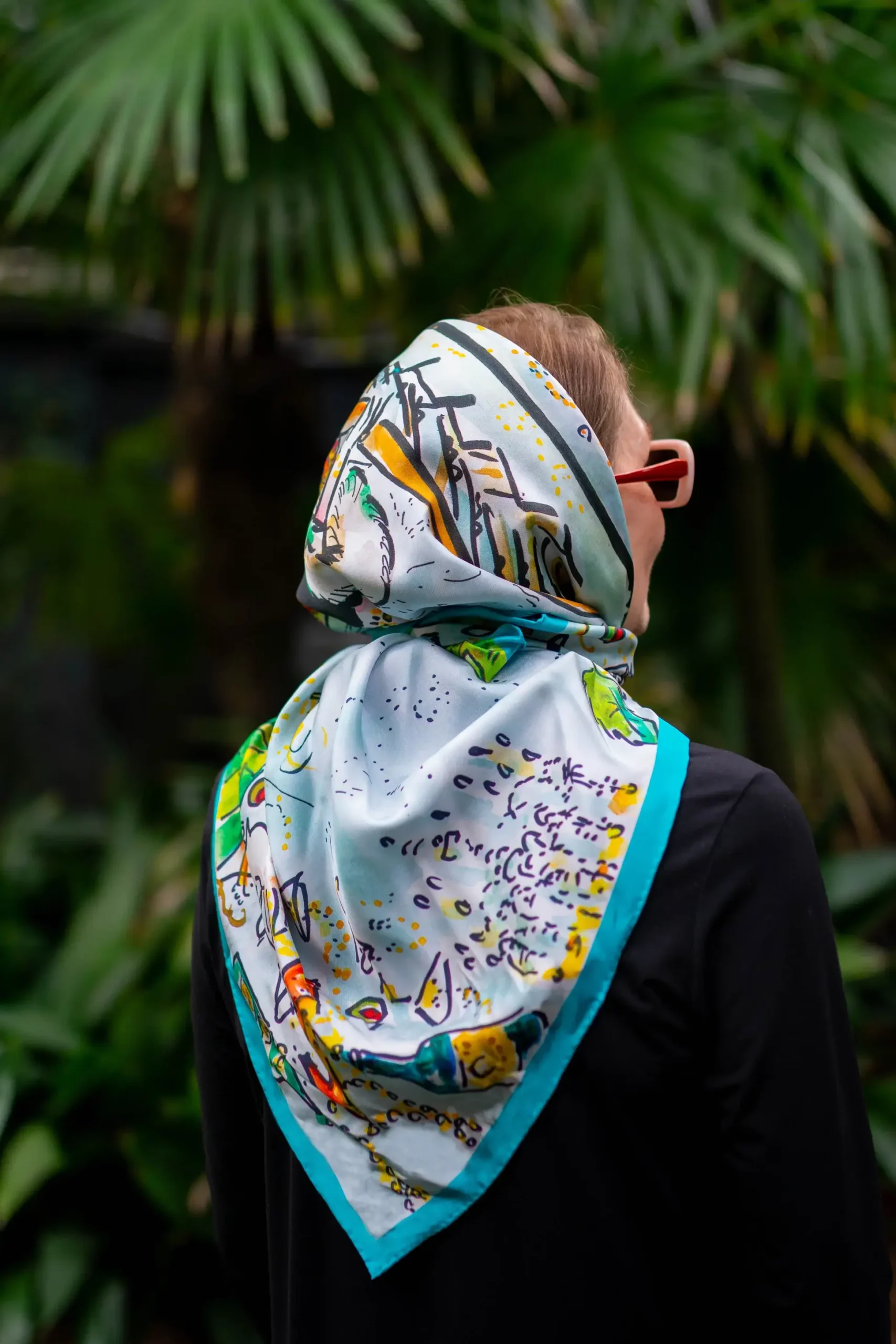
What is Silk Scarf Printing?
Print design on silk scarves involves applying your designs, patterns or artwork to high quality silk fabrics. The techniques are very delicate in order to get the best out of the fibers and achieve the silk’s characteristic sheen, softness and fluidity and breathability. The techniques described below are suitable for different production runs, designs and end uses.
When printing silk scarves, there are several aspects to take into account, including weight, weave and dye. Silk is available in various forms of silk bases, for example charmeuse, crepe de chine, georgette, habotai and twill. Each of these silk bases has its own special texture and falls in a very specific way and has its own finish. When ordering printed silk scarves, manufacturers work with professional manufacturers who choose the right substrates based on the client’s specifications regarding for example opacity, stretch and durability.
Advanced Printing Techniques for Silk Scarves
Digital Printing on Silk
Digital printing is the preferred method for creating high-quality designs printed on silk, using a variety of inks that are specifically formulated to bond with the silk fibers. The high-resolution printing produces detailed designs, smooth transitions and photographic quality images. The environmentally friendly prints are made using formulations that reduce waste and ensure color and print quality, while maintaining the softness of the fabric.
Digital printing processes are particularly suitable for short print runs and for making prototypes very quickly. Suppliers can therefore make custom articles very quickly. Furthermore, there are many patterns that cannot be printed using traditional printing processes. This is why digital printing is very popular with fashion companies that are producing a seasonal collection or a limited edition of accessories.
Screen Printing for Silk
Screen printing, or silk printing, is a method of printing that is ideal for larger production runs. It guarantees precise and strong color, in-depth and high-quality printing, which is particularly loved by luxury brands of accessories. This type of printing allows for great opacity and durability of printing, especially on products that are intended to be worn and washed many times, such as with bold graphics and logos.
We offer hand printing or machine-assisted screen printing with flexibility to handle any order size. Professional facilities are able to keep precise registration to insure correct alignment for multi-color print jobs to keep your design looking its best throughout the entire manufacturing process.
Reactive Dyeing and Fixation Processes
Fixation after printing is a critical factor in color fixation. The reactive dyes used on silk are fixed by steaming and then thoroughly washed out to remove any unfixed dye. The dyeing then reacts with the fiber to form a strong chemical bond. The fixation process is an important element in ensuring that the color and the soft handle of the silk are fixed for all time and that the garment will remain beautiful even after being worn and washed many times. The fixation process is a very delicate process that requires constant quality control in order to guarantee the very best results and ensure that the beautiful scarves are of the highest quality and will retain their beauty and soft handle over many wearings.
Why Choose Silk for Printed Scarves?
Among natural fibers printed on, silk is particularly desirable because of its physical properties which can be enhanced by print. Its protein fiber structure allows for maximum penetration of dyes which are then able to exhibit the maximum degree of color and depth of print and also outstanding luminosity and depth of color when compared to synthetic fibers, while remaining shiny and smooth. Not only is silk a year round fiber to wear because of its unique qualities of breathability, lightness and smoothness to touch but also it has an excellent drape that allows for excellent movement and therefore adds to the overall feel and look of a scarf printed with great designs.
Additional benefits from using silk include its hypoallergenic and biodegradable qualities, which also make it a more sustainable fabric for premium supply chains. Also, silk has a light quality to it, which makes the printed design more intense and brings more depth to it. So it really adds to the value of the product in retail as well as in wholesale.
Fabric Selection Considerations for Manufacturers
We find that different weaves of silk are better suited for different applications. For beautiful prints on smooth lustrous ground, Charmeuse and Satin are ideal. For beautiful prints on slightly textured matte ground, Crepe de chine and Georgette are perfect for artistic and abstract prints. Lightweight Habotai is great for large scarves and bandanas, while sturdy Twill is great for more structured designs.
When selecting the right silk for design purposes, suppliers weigh the momme weight (silk density) of the fabric against the weave. Higher momme weights create a much heavier fabric, suitable for higher-end applications whereas lighter weights create very light, flowing fabrics, suitable for more delicate designs.
The Customization Process for Silk Scarf Production
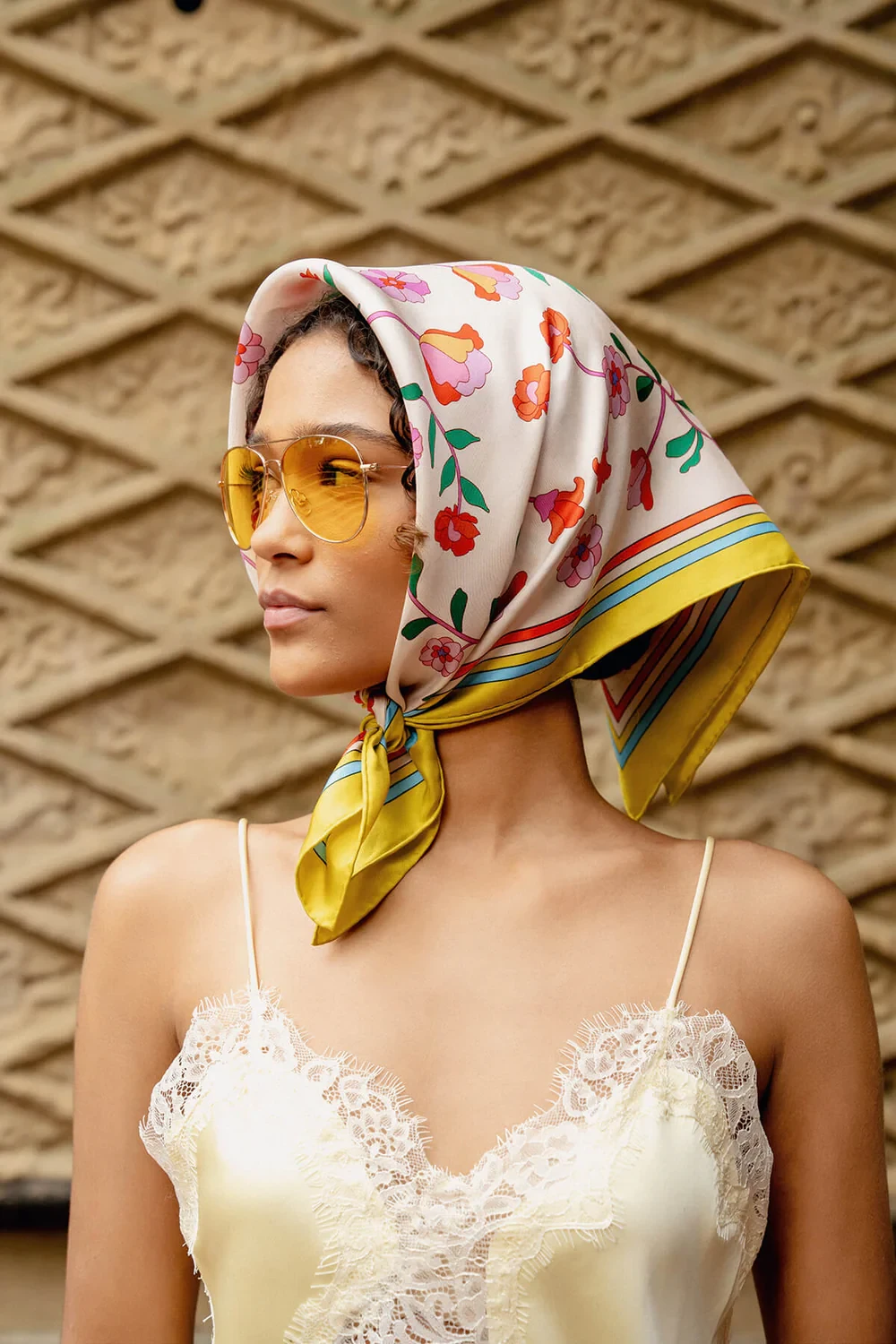
The process of effective customisation starts with precise client specifications for design files, colors, dimensions and finishes. The team of experts who handle your order then convert your artwork into the correct production file, guaranteeing that it is suitable for the selected printing method and fabric.
Sample Development and Approval
Pre-production samples allow for checking of colors, print quality and overall composition before the start of production. This is the point at which any needed amendments to the print can be made to the design in terms of scaling up, altering the ink density or making changes to items such as hemlines. Suppliers and customers must communicate effectively to manage any amendments to samples before placing a large order into production.
Production Scaling and Quality Assurance
Following sample approval production will then commence on agreed schedules. Inspection of in-process work will be carried out to ensure color, registration and quality of fabrics are to exacting standards. Final inspection will include check of stitching and hem (hand-rolled or machine) in addition to overall finish to ensure the product has the luxury look.
Finishing and Packaging Options
After printing, jobs can undergo a range of post-printing processes including edge finishing, pressing and protective packaging. Jobs can be folded for wholesale distribution or presented complete for gift giving to corporate or retail customers. Jobs can also be supplied with custom labeling and tagging to further ensure brand identity is maintained through all stages of the supply chain.
Quality Control Standards in Premium Silk Scarf Manufacturing
A quality supplier consistent in quality will stand out among competing suppliers. Detailed test results such as color fastness to light, washing and rubbing as well as dimensional change and pilling test are critical to evaluate quality of silk fabrics. A supplier who can trace all the raw materials purchased for making finished goods will be able to guarantee compliance to international standards as well as buyer’s specification.
More advanced facilities may conduct multi-stage inspections such as checking finished products for color deviation by means of instrumental analysis and conducting visual checks under standardized lighting conditions. By documenting processes the facility can follow its own protocols and make improvements to them.
Sustainability Practices in Silk Scarf Printing
Sustainable production includes factors like ethical sourcing of mulberry silk, responsible water and energy management as well as low-impact dyes. Many suppliers are following these trends and the demand of the luxury market for more environmentally friendly products. Also minimized waste by precise digital printing as well as recycling of production waste is very important for a low ecological foot print.
Partner with us, a reputable silk scarf manufacturer and supplier
Xinhe Textiles specializes in supplying high-quality silk fabrics in both plain colors and prints as well as creating high-end and luxurious silk scarves. Manufacturers, wholesalers, fashion brands, and distributors seeking consistent quality, customization expertise, and competitive capabilities are invited to explore collaboration opportunities for their next collection or bulk requirements. Contact the team to discuss project specifications, request samples, and develop tailored solutions that meet exacting standards in the premium silk accessory market.