
A Step-by-Step Guide How to Custom Silk Scarf
Custom silk scarves form a top product group for fashion brands, accessory lines, retailers, and design studios. These groups want special items with good profit. Manufacturers and suppliers in the silk field offer full customization help. This help lets businesses build one-of-a-kind sets that fit their brand needs and market wants. This guide explains the pro steps for making custom silk scarves. It uses common industry ways for quality checks and smooth growth.
Choose the Perfect Silk Fabric
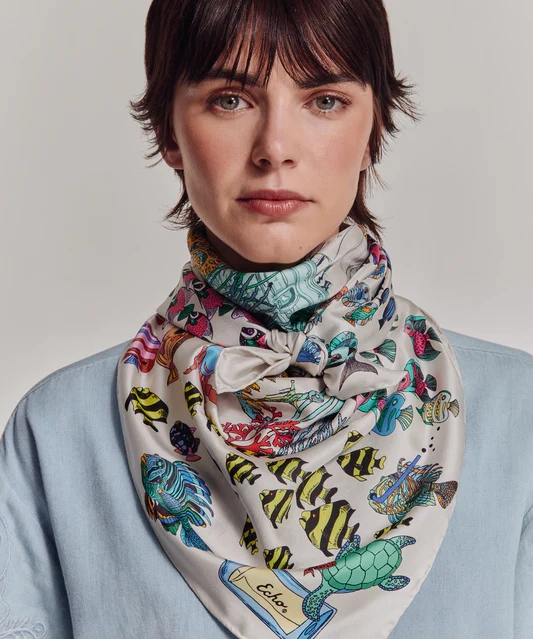
Picking fabric sets the base for any good custom silk scarf job. Various silk kinds give different flow, shine, weight, and lasting traits. These traits match certain uses.
Mulberry Silk Grades and Weights
Top mulberry silk, like 6A or better grades, gives fine softness, glow, and power. Usual momme weights go from 8 to 19 or more for scarves. Lighter weights (8-12 momme) fit loose, light styles. Heavier picks (14-19 momme) add more form and cover. They give a rich touch and clear print lines.
Popular Silk Fabric Varieties for Scarves
Silk Satin / Charmeuse
Gives bright shine on one side and a dull, soft back. It works well for fancy, hanging scarves with strong color show.
Silk Georgette and Double Georgette
Has a wrinkled, rough surface with good flow and some see-through. Stretch types boost ease and bounce back.
Silk Crepe de Chine (CDC)
Offers a dull end with light roughness, fair wrinkle fight, and even weight for many uses.
Silk Habotai
Light and even with a gentle feel, good for fine prints and budget choices.
Silk Twill and Chiffon
Twill brings lasting power and a slanted weave feel; chiffon makes light, airy looks.
Silk-Wool Blends
Mix silk’s fancy with wool’s heat and form. They make scarves for changing seasons or top winter add-ons.
Suppliers check end-use needs, like planned weather, care rules, and goal prices when suggesting fabrics. Stretch silk with elastane boosts wear comfort for bold fashion sets.
Design Considerations for Professional Results
Design work needs care for tech details. These details make sure of good print results and smooth making.
Color Management and Pattern Scaling
Pro art prep includes right color split and clearness (often 200-300 dpi). Repeat designs must fit scarf sizes to skip odd joins or cuts. Digital printing lets for detailed, many-color works with exact fit.
File Preparation Best Practices
Art files in PSD, AI, TIFF, or PDF forms help true copy. Suppliers help with color match using standard systems. They give test prints before full run. Thoughts cover extra areas, join spots, and edge room in layout.
Intellectual Property Protection
Manufacturers keep tight non-disclosure pacts and secret rules to guard owned designs in all steps of build and making.
Select the Size and Shape
Smart size planning boosts fabric use while hitting market hopes.
Common Scarf Formats
Square Scarves
55×55 cm, 90×90 cm, or bigger bold sizes.
Oblong / Rectangular Scarves
Common for many styles, including long and thin picks.
Custom Bandanas and Headscarves
Small forms for special uses.
Talks with suppliers about best cut plans help cut waste and hold costs. Big runs get better cost saves through smart pattern fits.
Printing Techniques for Silk
Digital printing now stands as the top way for custom silk scarves. It gives bend, color strength, and fit for small batches.
Advantages of Digital Printing on Silk
This method backs full-color, photo, and hard patterns without start costs of old screen printing. Special inks keep color hold and save the silk’s real feel. Two-side printing choices fix see-through issues on light fabrics.
Quality Control in Printing
Known manufacturers use strict pre-run tests and color sets. After-print steps include steam and wash to fix colors. They reach needed softness and hold levels.
Choose the Finishing Touches
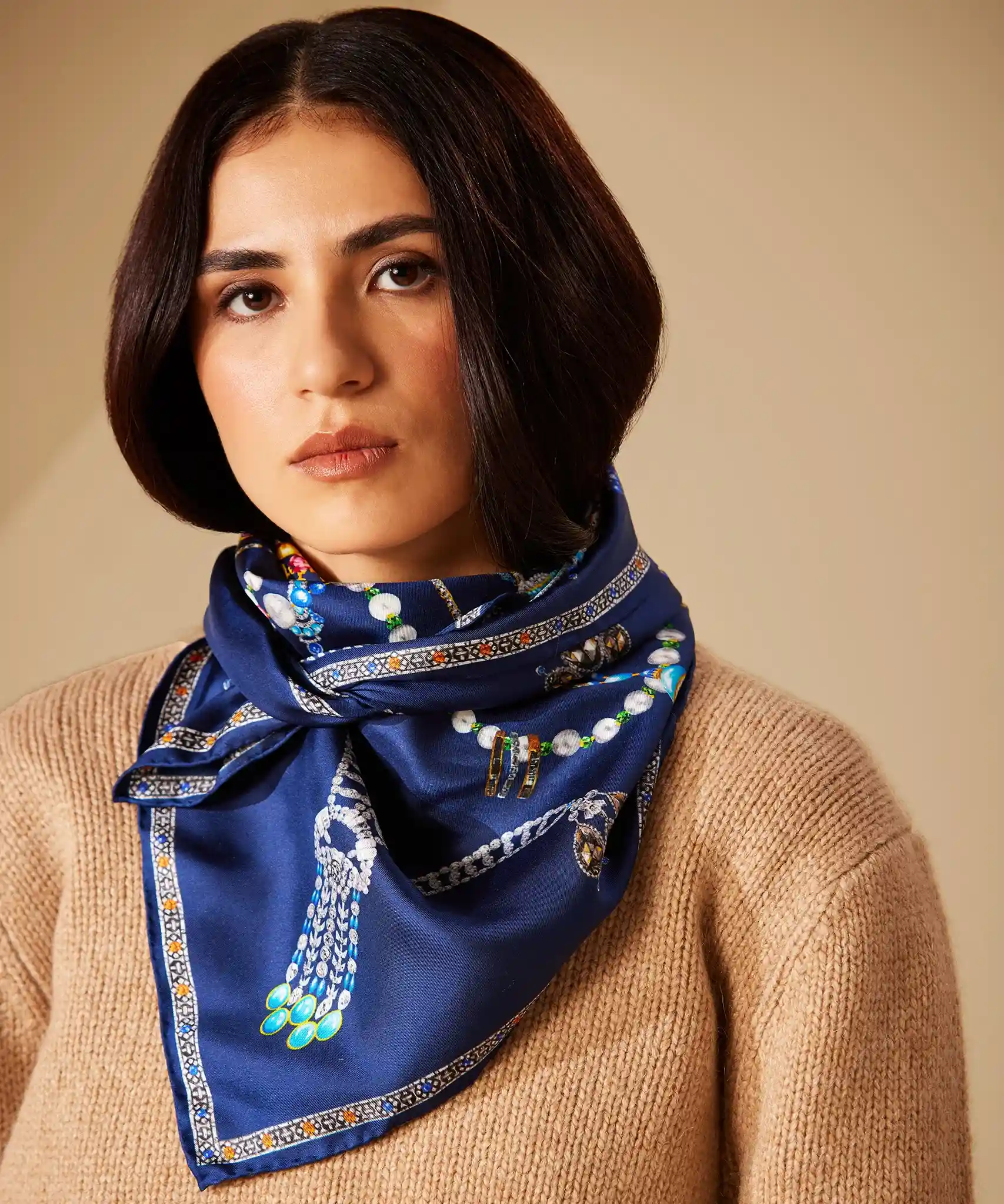
End details change seen worth and lasting much.
Hemming Options
Hand-Rolled Hems
Give a top, hand-made look with better bend and long life.
Machine-Rolled Hems
Bring cost save for big orders while keeping fair quality.
Additional Customizations
Logo tags, hang notes, custom packs, and stitch work lift brand show. Edge fixes and fringe picks add more difference for wholesale sets.
Review, Sampling, and Production Process
A set approval flow makes sure match with specs before big orders.
Sampling Phase
Pre-run samples let check of fabric quality, print truth, color match, and end details. Sample times often go from some days to a week, based on hard parts.
Quality Assurance Protocols
Pro manufacturers do many check rounds on fabric flaws, print sameness, stitch strength, and size steadiness. Certs and track papers back rule needs for many markets.
Production Scaling
Least order amounts for custom silk scarves can start at one item for some suppliers. This lets design tests and small starts. Usual run times go from 7-15 days after sample okay, with room for big wholesale orders.
Material Sourcing and Sustainability Considerations
Right sourcing of raw silk and green process work now mark key differences in the top add-on market. Suppliers on green use trackable mulberry silk, low-harm dyes, and power-save spots. Waste cut through best cuts and recycle packs aids good making ways.
Technical Specifications and Performance Testing
Pro buyers check some work measures:
-
Color hold to light, wash, and rub.
-
Size steadiness after care.
-
Pull power and flow traits.
-
pH level and no bad stuff.
Outside test choices give extra sure for match with world rules.
Packaging and Logistics for Wholesale
Good packing guards items in move while showing pro for store spread. Suppliers work with main carriers for sure send. They offer air and sea based on order size and times. Clear talk on ship costs and fees helps right budget plans.
Common Challenges and Solutions in Custom Silk Production
Color Consistency Across Batches
Solution: Set calibration and keep of sample refs.
Print Alignment on Lightweight Fabrics
Solution: Skilled techs and special gear for pull control.
Hem Durability
Solution: Right thread pick and stitch ways fit to fabric weight.
Intellectual Property Risks
Solution: Full NDAs and safe file ways.
Fixing these parts early in work with a skilled manufacturer smooths the full job.
One-Stop Customization Benefits for Businesses
Working with a full silk supplier joins design talk, fabric get, printing, end work, quality check, and move in one place. This way cuts plan time, lessens mistakes, and often brings cost wins through linked work. Low least orders back market tests while top materials keep fancy spot.
The custom silk scarf market pays for care to small things and ties with able manufacturers. Businesses gain from work with suppliers that mix tech know, quality build, and quick help.
Call to Action Partner with a Reliable Silk Scarf Manufacturer and Supplier
Xinhe Textiles focuses on giving high-quality silk fabrics in plain colors and prints. They also make high-end and rich silk scarves. With full customization skills, fair lead times, bendy minimums, and tight quality rules, the company acts as a key partner for brands and wholesalers. These groups seek steady, top silk items.
Contact the team today to talk project details, ask for fabric bits, or get a full quote for custom silk scarf making.
FAQ
What is the typical minimum order quantity for custom silk scarves?
Many professional suppliers fit orders from one piece for samples and small runs. They give better prices at higher amounts.
How long does custom silk scarf production take?
Sampling needs 4-8 days often. Bulk run times go from 7-15 days after okay, based on order size and details.
What file formats are preferred for print designs?
PSD, AI, PDF, and TIFF files at 200-300 dpi clearness give best outcomes.
Which silk types work best for printed scarves?
Silk satin, georgette, crepe de chine, and habotai stand as common choices. Each brings its own look and work traits.
Do suppliers provide sustainability documentation?
Known manufacturers share info on source ways, dye rules, and waste cut plans when asked.

