

International Development Of Silk
The story of the international development of silk no longer only is the heritage of luxury and high-quality products made from this fiber. The silk in the modern commerce of the textile products is the strategic natural fiber which is associated with the agriculture, reeling, weaving, dyeing, digital printing, finishing, inspection and export supply.
Sericulture includes mulberry cultivation, silkworm rearing, cocoon harvesting, and post-cocoon processing. Because silk production involves both farming and precision textile work, its international structure differs from synthetic fiber industries. Labor organization, climate, regional craft knowledge, processing technology, and logistics all shape how silk moves through global markets.
Industrial Adjustment Changes the Pattern of Silk Production
1. Gradient Transfer of Cocoon Silk Production
In terms of total volume, cocoon silk production has gradually concentrated in developing economies with suitable sericulture conditions, rural labor resources, and established textile clusters. China, India, Brazil, Vietnam, Thailand, Uzbekistan, and other producing regions play important roles in global supply. At the same time, countries with higher labor costs and weaker agricultural sericulture foundations have reduced large-scale cocoon production.
This gradient transfer reflects several industrial realities:
- Sericulture requires intensive field management, including mulberry cultivation, silkworm rearing, cocoon selection, and primary processing.
- Cocoon quality depends on climate, disease control, breeding technology, and stable rearing practices.
- Raw silk competitiveness is influenced by both farming efficiency and post-cocoon processing.
- Regions that connect sericulture with weaving, dyeing, printing, finishing, and export logistics gain stronger control over finished-product value.
Originally the focus for international sourcing teams had been on the origin of the materials, but now a reliable silk supply chain needs to encompass material, fabric development, printing, finishing and inspection. So while a market may have the raw materials advantage with good processing ability, a poor finish may mean that it is not competitive for a premium order. In contrast a manufacturer with technical processing ability can add value even when raw material markets are fluctuating.
2. Silk Production Becomes Multi-Polarized
The global silk industry is no longer defined by one production model. Silk production has become multi-polarized, with different countries and regions participating in different stages of the chain. Some areas focus on cocoons and raw silk. Others specialize in weaving, dyeing, printing, scarf finishing, apparel fabrics, luxury accessories, or export-oriented customization.
This structure creates a segmented international market:
- Raw material regions support cocoon, reeling, and yarn supply.
- Textile clusters transform raw silk into satin, charmeuse, crepe de chine, georgette, habotai, organza, twill, and blended fabrics.
- Printing specialists handle digital printing, color matching, artwork adjustment, and double-sided visual effects.
- Finishing workshops complete hemming, hand-rolled edges, washing, steaming, inspection, packaging, and shipment preparation.
- Export suppliers coordinate sampling, schedules, logistics, and documentation for wholesale and private-label projects.
This has created a complex supply chain where coordination between all parties is as critical as increasing production capacity.
New International Positioning of Silk in Textile Supply Chains
From Raw Silk to Finished Silk Products
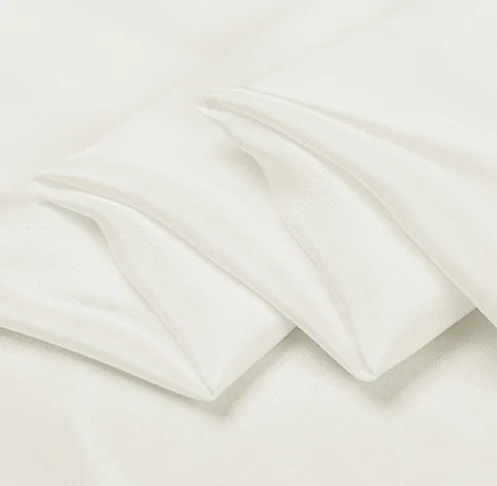
Silk has increased in value as a raw material and as finished or half finished articles. So a supplier of zijden stof will create greater value if he can specify the momme weight, the weave, the shrinkage, the dyeing, the printability and the finish of the fabric. A supplier of silk scarves will create greater value if he can specify the artwork, the fabric, the finish of the edges, the print penetration, the packaging and the quality control of the scarves as a complete production program.
Silk sourcing for fashion brands, wholesalers, boutique labels, museum stores, corporate gifting companies and design studios has moved from a mere purchase of fabric to a development process whereby the concept of the silk is linked to the specification, followed by sampling, production and delivery.
From Volume Production to Specification-Driven Manufacturing
All silk products are produced based on specific product requirements. There are silk twill scarves, silk satin scarves, silk chiffon scarves, silk habotai scarves, printed silk bandanas as well as silk wool scarves. Each type of silk products requires specific properties of the fabric, ways of draping, degree of opacity, ways of printing, edges of the fabrics and ways of packing.
Specification-driven manufacturing is designed to mitigate the risks involved in cross-border sourcing. B2B orders are normally produced according to confirmed artwork specifications including size, fabric, momme weight, dimensions and hemming style. A target color, samples for approval, care labels, a packaging plan and shipping instructions also form part of the pre-production process. Without this information, price comparison is meaningless as two quotations can refer to two different products.
Technical Factors That Shape International Silk Competitiveness
Raw Material Grading and Fabric Construction
Premium silk production begins with stable raw material selection. Mulberry silk is valued for fineness, luster, softness, and dye absorption. However, fabric performance also depends on yarn count, weave density, momme weight, twist, finishing, and inspection. Satin and charmeuse provide a glossy face and fluid drape. Crepe de chine offers a refined matte texture. Georgette gives a light, sheer, slightly grainy surface. Habotai supports lightweight applications. Twill provides body, diagonal texture, and strong scarf performance.
Dyeing, Printing, and Color Management
Color accuracy is crucial for our international silk orders. Silk takes up the dye very well, but due to its natural shine colors can look different than expected. Especially for custom production of silk scarves as well as printed fabrics digital printing is a major factor, since it enables precise artwork as well as flexible runs and complex color arrangements.
Reliable printing involves more than just printing out an image. A proper printing workflow includes checking artwork, scaling, color communication with customers, strike-off sampling, steaming, washing, softening and checking after printing. When re-ordering the same article, approved samples and color records from previous production become essential production references.
Finishing, Inspection, and Shipment Readiness
Silk finishing determines final product quality. Scarves may require machine hemming, hand-rolled edges, laser edges, tassels, embroidery, or special packaging. Fabrics may require washing, softening, calendaring, or other hand-feel adjustments. Inspection should cover stains, broken yarns, color variation, print defects, seam quality, edge symmetry, size tolerance, and packing accuracy.
A structured pre-shipping inspection process is crucial for the B2B buyer of finished silk garments as they are very likely to be distributed directly through retail, wholesale or brand channels. Problems discovered upon arrival at the final destination could cause delay, claims, repackaging charges etc. and damage to the buyer’s and seller’s reputation.
B2B Product Categories Driving Cross-Border Silk Orders
Silk Fabrics for Apparel and Accessories
Silk fabric is at the heart of the international silk trade. The most common commercial silks are: silk satin, silk charmeuse, silk crepe de chine, silk georgette, silk double georgette, silk organza, silk habotai, silk twill and stretch silks. The range of fabrics can be used to make clothing, scarves, accessories, bridal wear, resort wear, sleep wear and many other types of collections.
Solid Color Silk Scarves for Private-Label Collections
A simple solid colored silk scarf is a wonderful private label product. They are beautiful, can be designed within a seasonal color palette, can be added to a corporate color program, or used as a single colorful item in a boutique collection of products. We have found that in the B2B market color, and edge finishing are more important than intricate designs.
Printed Silk Scarves for Brand Storytelling
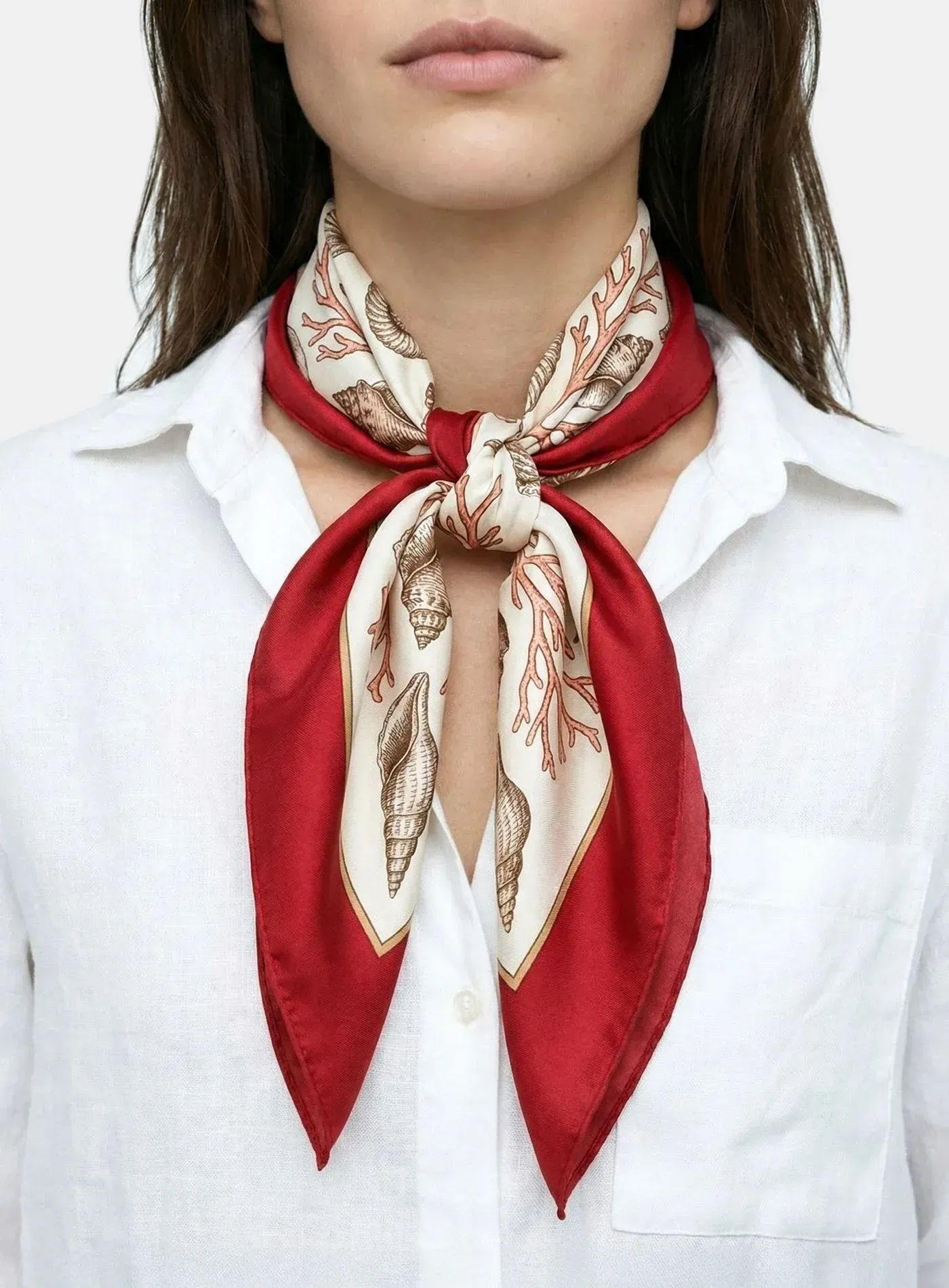
Silk printed scarves are the perfect medium for turning artwork, cultural prints, archive patterns, graphic prints, floral designs and even custom illustrations into merchandise that can be sold on the high street. We produce square printed silk scarves, long printed silk scarves, oblong printed silk scarves and also silk printed bandanas and printed silk headscarves all of which can be used to create a brand’s collection. For printed silk scarf production the most important points to get right are the resolution of the artwork, the type of fabric to use, the print method and finally the sample approval form.
Silk Wool and Cashmere Silk Blends for Seasonal Programs
Silk wool and cashmere silk blend scarves are made from materials which extend the silk sourcing to warmer and more textured products. Silk wool and cashmere silk blend scarves are lustrous and combine the smooth silk to the warmth of wool or cashmere. Thus they are perfect for autumn and winter collections as well as for gifts and for wholesale in accessory shops. In B2B business the properties of the blends, such as the blend ratio, the hand of the fabric, pilling resistance and color fastness are important and have to be checked and confirmed.
Veelgestelde vragen
What factors influence the international development of silk?
Cocoon production capacity, rural labor, sericulture technology, raw silk quality, weaving clusters, dyeing and printing facilities, finishing facilities, export logistics and B2B customization demand.
Which silk products are commonly used in wholesale and private-label programs?
Our common B2B categories are as follows: silk fabrics, solid color silk scarves, printed silk scarves, silk twill scarves, silk satin scarves, silk chiffon scarves, silk habotai scarves, silk wool scarves, cashmere silk scarves, custom silk bandanas.
Xinhe Textiel produces high-end and luxurious silk fabrics in plain colors as well as prints and high-quality silk scarves. Xinhe Textiles offers customized silk fabrics, digital printing, minimum orders, samples, quality check and large-scale production. Xinhe Textiles provides silk wholesale products as well as silk OEM/ODM scarves and printed silk products for designers and brands to use in their collections of high-end accessories and apparel. For custom silk fabric sourcing, private-label scarf development, or bulk order inquiries, business partners are welcome to contact Xinhe Textiles for professional consultation and project support.

