Custom Silk Bandanas Wholesale: A B2B Buying Checklist
Custom silk bandanas wholesale projects work best when the buyer decides the use case before choosing a fabric or asking for a price. Fashion brands may prioritize recognizable artwork and finish, while a hotel, spa, or gift program may need a different balance of print coverage, handling, and presentation.
A complete brief should state the application, fabric direction, print side, size, edge treatment, artwork status, quantity stage, packaging needs, and destination. That gives a supplier enough context to confirm options without turning an unverified MOQ, price, delivery promise, or performance claim into a fact.
This guide helps buyers turn a bandana idea into a reviewable RFQ.
Start with the buying job, not the product name
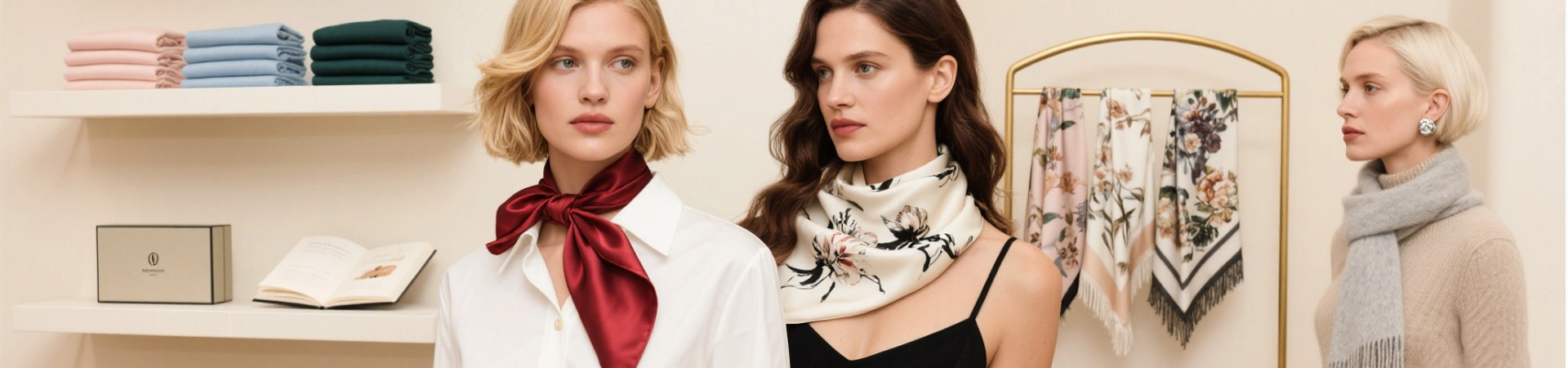
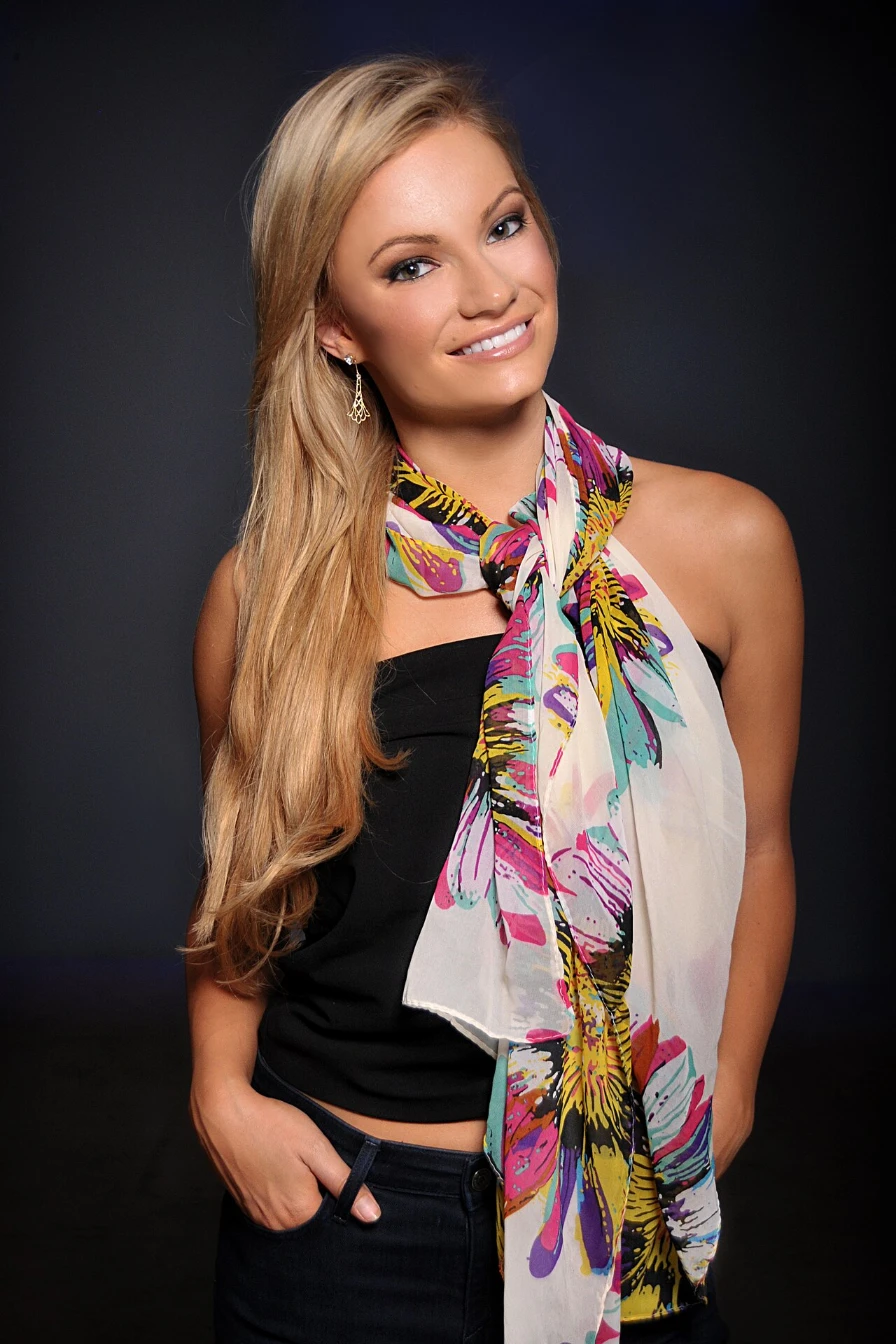
A custom silk bandana can be a fashion accessory, a branded hospitality item, or a corporate gift. Those jobs can use the same broad product category while requiring different artwork, handling, and approval questions.
Begin by writing one sentence that explains where the item will appear, who will use it, and what the buyer must approve before production. Then review the custom silk bandana product options against that sentence rather than selecting a style from a catalogue.
For a fashion collection, decide how a repeatable print, border, or logo placement supports the wider range. A hotel or spa project may need a clear identity on a wearable or service accessory, so artwork and edge treatment deserve an early review. A gift supplier may care most about presentation, consistent dimensions, and a campaign-ready design. These are different approval paths for the same custom item.
Match the format to the audience and use case
Fashion and private-label collections
Fashion buyers should define the collection role first: hero accessory, seasonal color story, gift-with-purchase item, or repeatable core product. That decision affects the artwork scale, the importance of a clean border, the number of colorways to review, and whether a sample must be judged beside other garments or accessories. Send the intended retail presentation and any placement rules with the artwork. A supplier can then comment on the brief rather than guessing what the design is meant to achieve.
Hotel, spa, and hospitality programs
Hospitality buyers should describe the operating context without overstating the item’s function. State whether the bandana is a guest gift, a staff accessory, an event item, or part of a branded amenity. Ask how the proposed fabric, print side, and edge finish should be reviewed for that use. If the item will be handled or cleaned in a particular way, make that a project question; do not assume a fashion specification proves suitability for repeated service use.
Corporate gifts and promotional programs
Gift programs need a firm handoff between brand guidelines and production details. Include approved logo files, color references, placement rules, packaging expectations, destination, and whether the item is for one event or a recurring program. When several regions are involved, identify required language or label information early. A documented approval sample is especially valuable when visual consistency matters.
Choose the fabric and print direction together
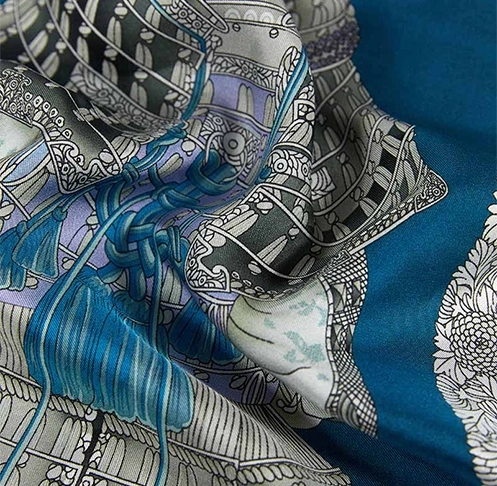
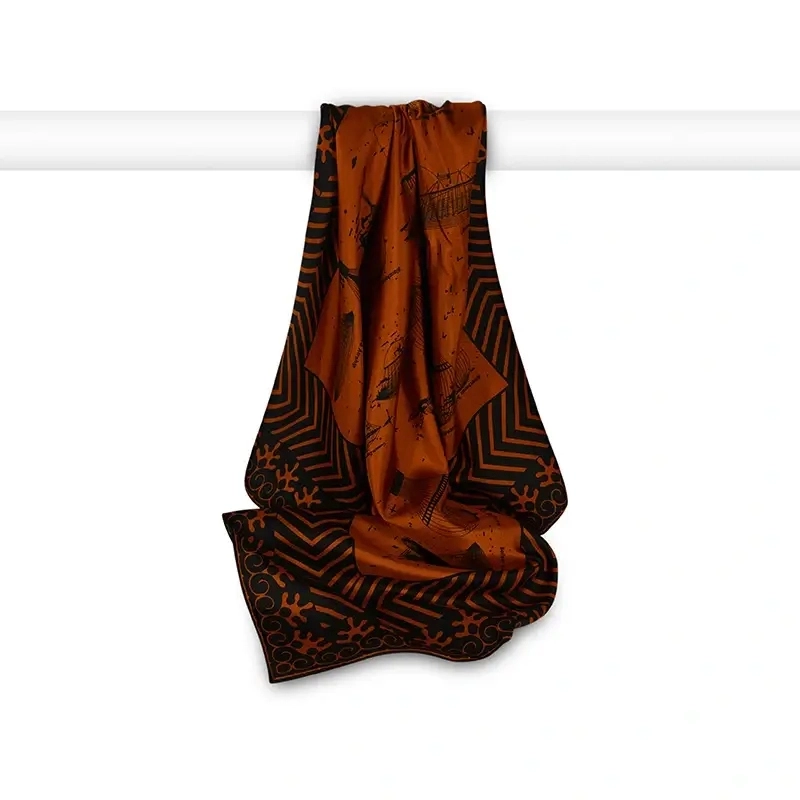
The fabric decision should follow the intended appearance and handling, not the word “silk” alone. Xinhe Textiles lists silk satin, silk twill, silk double crepe, silk chiffon, silk georgette, and silk habotai among the options for its custom bandana product.
The silk fabric collection is a useful place to compare the broader fabric families before asking which one fits the project. Exact hand, drape, print behavior, and production suitability still need project-specific confirmation and sampling.
Next decide whether the design needs one printed face or visual information on both sides. Single-sided printing may be sufficient when the reverse is not part of the presentation. Double-sided printing may be relevant when the bandana is seen from multiple angles or when a reversible visual is central to the concept.
Treat that as a design and approval choice, not as a universal quality upgrade. Ask the supplier to identify how the selected fabric and print method will be represented in the sample.
If the project may become a different scarf format rather than a bandana, compare the printed silk scarf range before finalizing the brief. This keeps the bandana page focused while giving a buyer a verified route to adjacent printed products.
Set dimensions and edge expectations before sampling
The custom bandana product information lists regular sizes of 50×50 cm, 60×60 cm, and 70×70 cm. Use those as starting points, not as a promise that every project must use one. State finished dimensions, tolerance expectations, folding or packaging method, and whether the item will be worn, displayed, or presented as a gift.
Edge treatment is part of the perceived finish and the practical brief. The listed choices include machine hemming and hand-rolled edging, with other treatments such as laser lock edge, tassel, or embroidery edging described as possible options.
Ask which edge is proposed for the selected fabric and use case, how it will appear in the approval sample, and whether the requested finish changes the project scope. Do not describe an upgrade as automatically better; it must fit the buyer’s visual and handling requirements.
Prepare the artwork and RFQ as one package

A supplier can respond more accurately when the visual brief and production brief arrive together. Before sending an inquiry, assemble the following information:
-
Brand or program name, end use, target market, and launch or event context.
-
Finished dimensions, preferred fabric family, print side, color references, and edge treatment.
-
Artwork files, logo clear-space rules, repeat or border instructions, and placement priorities.
-
Estimated development stage, quantity range or batch phase, packaging expectations, destination, and timing needs.
-
Approval criteria: color appearance, artwork position, hand, drape, edge quality, labeling, and packing presentation.
Do not hide uncertainty behind a single target quantity. If the first request is for sampling, say so; if it is for a confirmed production program, state the expected range and decision date.
Ask the supplier to separate what is confirmed from what requires a sample, technical review, or commercial confirmation. That distinction protects the buyer from treating a preliminary conversation as a complete quotation.
Verify the supplier response before approval
A credible custom silk bandana supplier should be able to respond to the actual brief rather than sending only a generic product list. Check that the reply identifies the proposed fabric, print side, dimensions, edge, artwork assumptions, sample route, and open commercial questions.
If the answer changes one of those inputs, record the change and ask for an updated confirmation. This is especially important when a brand has a fixed launch date or when several colorways must be approved together.
Use a short verification pass: confirm that the artwork version is correct, compare the sample against the approved dimensions, inspect the edge consistently around the item, and record any differences between the requested and proposed fabric. Ask about care or labeling requirements that apply to the destination market.
Use the approval sample together with the relevant project documentation to confirm color appearance, production requirements, quality expectations, and any applicable testing or compliance needs.
For questions that remain open after the first brief, use Xinhe Textiles’ pre-sale support route to clarify the project before approval.
Work with Xinhe Textiles on a reviewable project
Xinhe Textiles can be evaluated against this checklist because its published custom bandana offering connects a defined set of use cases with named silk fabric families, single- or double-sided digital printing, regular dimensions, and several edge directions. The buyer’s advantage is not a generic claim of flexibility; it is having concrete fields to confirm.
Submit the artwork, intended use, size, print side, edge, quantity stage, and destination together, then ask which options are available for that project. Keep any unconfirmed MOQ, price, lead time, packaging, testing, and market-label requirements in the open-questions section of the RFQ.
Conclusion: turn a bandana idea into a reviewable brief
The strongest custom silk bandanas wholesale inquiry is specific without pretending that every commercial term is already known. Start with the buyer job, choose a fabric and print direction that support that job, set dimensions and edge expectations, and send artwork with the production questions. Then approve against a sample and a written confirmation of the points that matter to the final market.
That process gives a fashion brand, hospitality supplier, or gift importer a clearer decision path and gives the supplier a brief that can be answered responsibly.
When the project brief is ready, submit it through the contact route and ask Xinhe Textiles to confirm the suitable fabric, print, size, edge, and next-step commercial information.
Veelgestelde vragen
What information should I send when requesting custom silk bandanas wholesale?
Send the end use, finished dimensions, preferred fabric family, single- or double-sided print requirement, artwork files, edge treatment, quantity stage, destination, packaging expectations, and approval criteria. If the quantity is still being tested, label it as a sampling or development stage instead of presenting it as a final production order.
Which silk fabrics can be considered for a custom bandana?
The published custom bandana options include silk satin, silk twill, silk double crepe, silk chiffon, silk georgette, and silk habotai. The correct choice depends on the intended appearance, hand, drape, print design, and handling. Ask for project-specific confirmation and judge the selected fabric through an approval sample.
Should a branded bandana use single-sided or double-sided printing?
Use single-sided printing when the reverse does not need to carry the visual message. Consider double-sided printing when the item is viewed from multiple angles or when a reversible design is central to the concept. The choice should be confirmed against the selected fabric, artwork, and sample rather than treated as a universal upgrade.
Are the listed bandana sizes suitable for every project?
The published regular sizes are 50×50 cm, 60×60 cm, and 70×70 cm. They are useful starting points, but a buyer should still state the finished dimensions and intended use. Confirm tolerances, folding, packaging, and edge treatment for the actual project before approving production.
Can I assume MOQ, price, and delivery time from a product page?
No. MOQ, price, delivery time, packaging, testing, and market-specific labeling should be confirmed for the project. Include the relevant quantity stage, destination, timing need, and compliance questions in the RFQ so the supplier can separate confirmed information from items requiring review.