
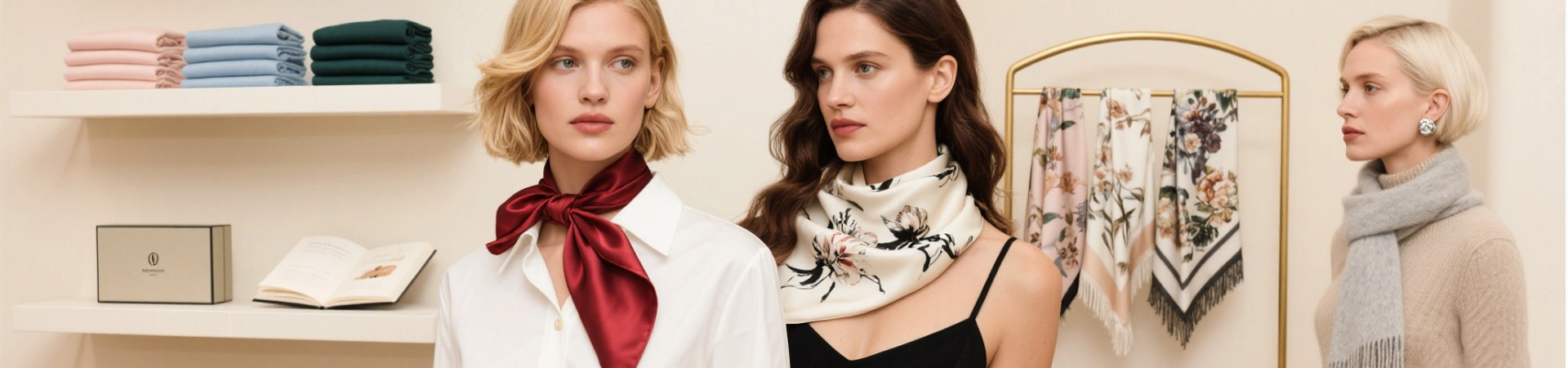
Silk Organza Fabric for Structured Bows, Sleeves, and Garment Panels
Silk organza is a practical choice when a garment needs visible volume without the heavy appearance of a dense fabric. Its sheer surface, crisp hand, and ability to hold space make it useful for structured bows, sculpted sleeves, overlays, and architectural panels. The key is to specify the fabric for the construction method rather than selecting it by appearance alone.
For development teams, the main questions are straightforward: How much body must the component retain? How transparent can it be? Will it be used as a single layer, doubled, gathered, pleated, or supported by another textile? A suitable siidist organza kangas should be approved through swatches and garment-level prototypes because weight, finish, color, and layer count can substantially change the final shape.
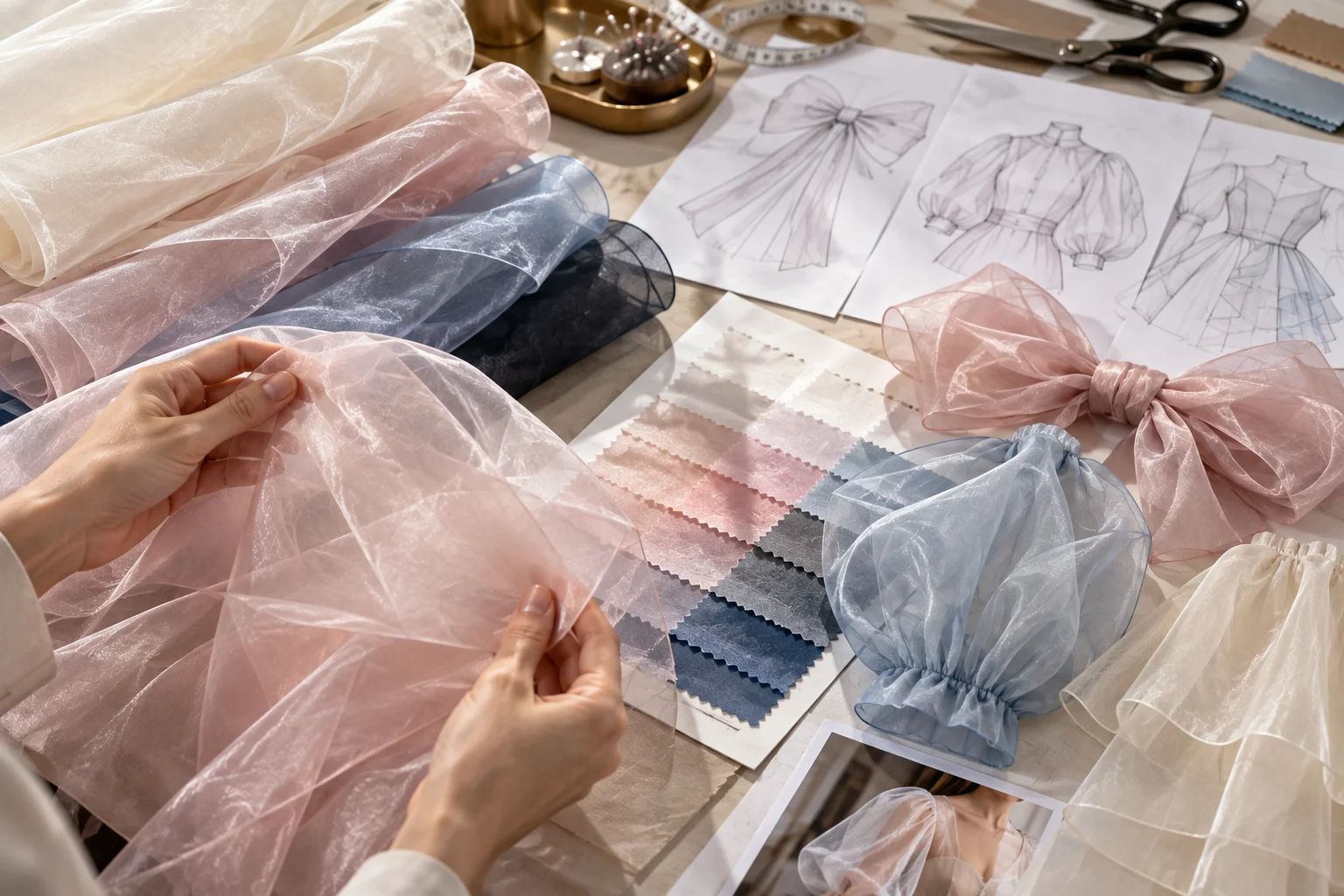
Why Silk Organza Creates Structure Without Visual Weight
Organza combines transparency with a relatively firm construction. Light passes through the cloth, but the fabric can stand away from the body instead of collapsing like a softer sheer. This balance makes it valuable when designers want volume, defined edges, or layered depth while keeping the garment visually light.
Silk also gives organza a refined surface and subtle luster. However, “silk organza” is not one universal specification. Fabric weight, yarn quality, weave density, finishing, width, color, and handling can vary. Buyers comparing it with satin, georgette, habotai, or other options can review a broader silk fabric range before deciding which structure and drape profile fits the design.
Selecting Silk Organza for Structured Bows
A structured bow needs enough resilience to preserve its loops and tails after tying, stitching, packing, and wear. A very soft organza may create an elegant effect but lose the intended silhouette. An excessively rigid option may crease sharply or look bulky at the knot.
Start by defining the bow construction. A narrow neck bow, oversized back bow, detachable couture detail, and layered decorative bow place different demands on the fabric. Test the proposed width, grain direction, seam allowance, edge finish, and number of layers. For oversized bows, internal support or a doubled construction may be more reliable than simply choosing the stiffest available fabric.
Color also affects the result. Pale shades reveal overlapping layers clearly, while dark or saturated shades may make the bow appear denser. Approve the color in the intended number of layers, not as a single flat swatch.
Building Sculpted and Voluminous Sleeves
Silk organza can support puff sleeves, lantern sleeves, ruffles, flounces, sleeve heads, and transparent outer shells. The required specification depends on whether the fabric provides the main structure or works as a supporting layer beneath another material.
For a sheer statement sleeve, evaluate how the organza behaves at gathers, pleats, cuffs, and armholes. The fabric must create volume while remaining controllable during sewing. A larger sleeve may require balanced fullness, reinforced seams, or an underlayer to prevent the shape from dropping. A smaller sleeve head may need only a light layer to lift the outer fabric.
Prototype comfort as well as appearance. Seam allowances, bindings, and gathered areas can feel firmer than the open fabric. Check how the sleeve moves at the shoulder and elbow, whether the inner construction touches the skin, and whether the finished edge scratches or distorts. These details should be resolved before bulk cutting.
Using Organza in Garment Panels and Overlays
Garment panels use organza differently from bows and sleeves. The goal may be transparency, controlled projection, color layering, reinforcement, or a crisp overlay. Bodice panels, yokes, skirts, peplums, collars, and decorative inserts each require a different balance of body and flexibility.
For a transparent panel, inspect seam visibility and the appearance of facings, darts, interfacing, and closures. Conventional internal construction may remain visible through the cloth, so the technical design must be planned as part of the visual result. For layered panels, place the organza over the actual base fabric to assess color shift, moiré risk, shine, and edge definition.
Organza may also stabilize delicate areas or add controlled volume behind another silk. Before combining materials, compare shrinkage behavior, pressing tolerance, and movement. Xinhe Textiles’ guide to silk characteristics for textile sourcing highlights practical inspection points such as weight and width consistency, approved color matching, hand feel, finishing stability, and visible defects.
A Practical Sampling and Specification Checklist
An effective inquiry should describe the intended component, not only request “silk organza.” Include enough information for the supplier to recommend or prepare a relevant sample.
- Fiber composition and whether pure silk is required
- Intended use: bow, sleeve, panel, overlay, support, or trim
- Target fabric weight or reference swatch
- Required width and usable cutting width
- Color standard, lab dip, or approved reference
- Desired transparency, crispness, and surface appearance
- Single-layer or multilayer construction
- Dyeing, printing, embroidery, pleating, or other processing needs
- Sample quantity and expected bulk quantity
- Required tests or inspection criteria for the project
After receiving samples, evaluate them in three stages. First, inspect the flat fabric for color, width, uniformity, pulls, slubs, stains, creases, and finishing consistency. Second, make small construction tests for seams, hems, gathers, pleats, pressing, and edge treatments. Third, create a representative garment component at full scale. A miniature bow or sleeve sample may not reveal how a large structure behaves under its own weight.
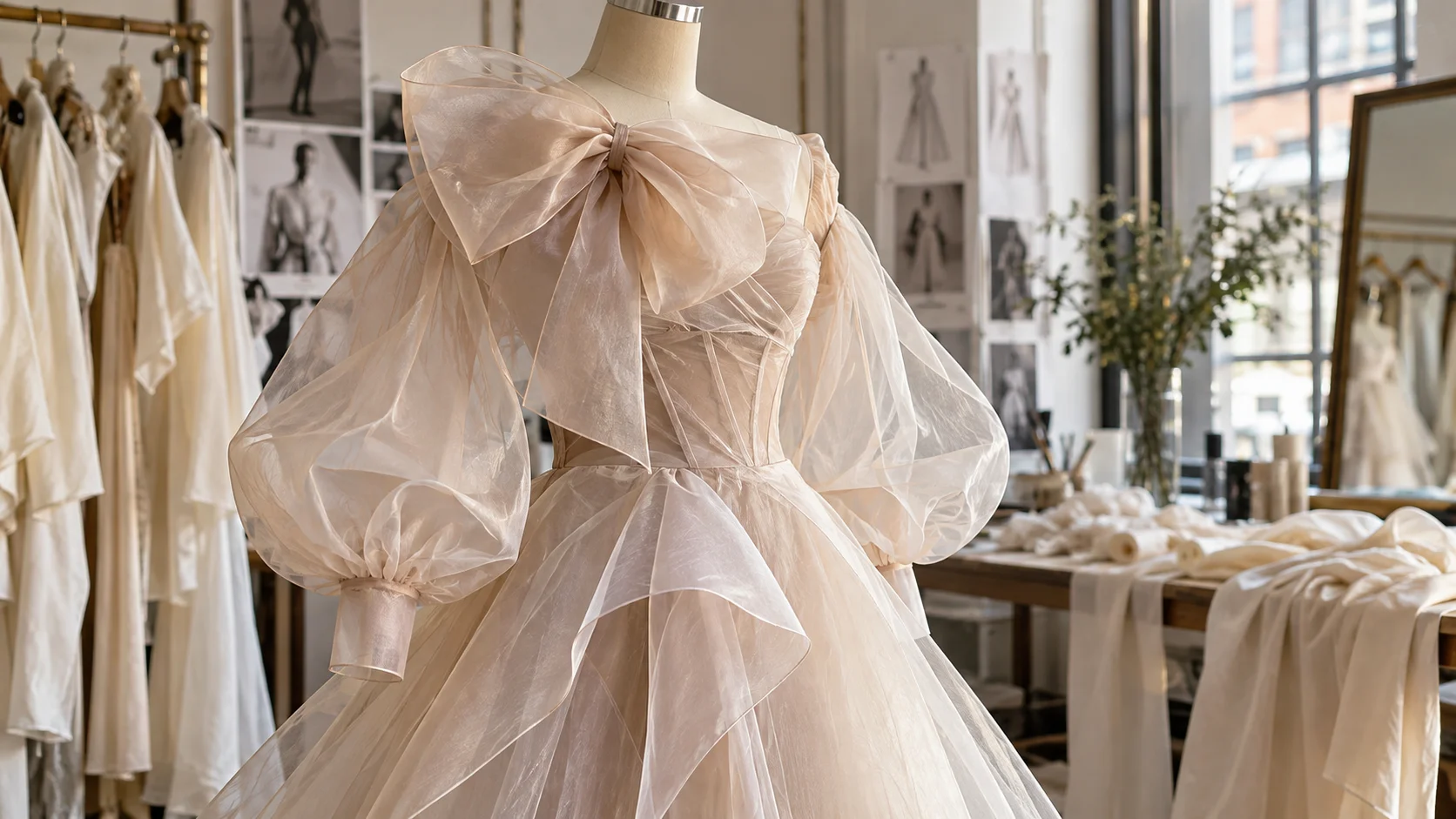
Record the approved sample, color reference, layer count, construction method, and finishing process. This reduces the risk of approving a fabric that looks correct on a hanger but performs differently in production.
Procurement Questions for a Silk Organza Supplier
Before placing a bulk order, confirm which characteristics are standard and which require development. Ask how the sample relates to the production lot, what tolerances apply to width and weight, how color will be approved, and how the supplier controls visible defects. If the organza will be dyed, printed, embroidered, pleated, or combined with another material, describe the downstream process early.
Xinhe Textiles supplies silk fabrics in plain and printed options and presents silk organza as a stiff, transparent fabric. Buyers can review the company’s silk sourcing background when evaluating fit. Project-specific details—including available constructions, finishing options, minimum quantities, sample arrangements, and production timing—should be confirmed for the exact inquiry rather than assumed from a general fabric category.
Kokkuvõte
The best silk organza for structured bows, sleeves, and garment panels is the one that holds the intended form after real construction, not simply the stiffest swatch. Define transparency, body, layer count, color, width, and finishing requirements; then test the fabric in a full-scale component. Careful sampling helps design, technical, and procurement teams align before bulk production.
KKK
Is silk organza stiff enough for an oversized garment bow?
It can be, but the answer depends on the bow’s scale, layer count, knot construction, and internal support. A full-size prototype is the safest way to confirm whether the selected organza maintains the desired loops and tails.
Can silk organza be used for puff sleeves without a lining?
Yes, when a sheer effect is intended, but comfort and seam construction must be tested. Bindings, gathered seams, cuffs, and armholes may feel firmer than the main fabric, and transparency will expose internal workmanship.
What should buyers check when approving silk organza color?
Approve color under the intended lighting and in the actual number of layers. Transparency allows the base fabric, skin tone, lining, and overlapping sections to influence the perceived shade.
Should fabric weight be the only basis for comparing samples?
No. Weight is important, but weave density, finish, crispness, transparency, width, surface uniformity, and recovery after handling also affect performance. Garment-level tests provide a more reliable comparison.
Request a Fabric Fit Check
For a fit check or quotation, prepare the application, reference image or drawing, desired composition, color, width, approximate weight, sample needs, and order quantity, then contact the fabric team at Xinhe Textiles.

