
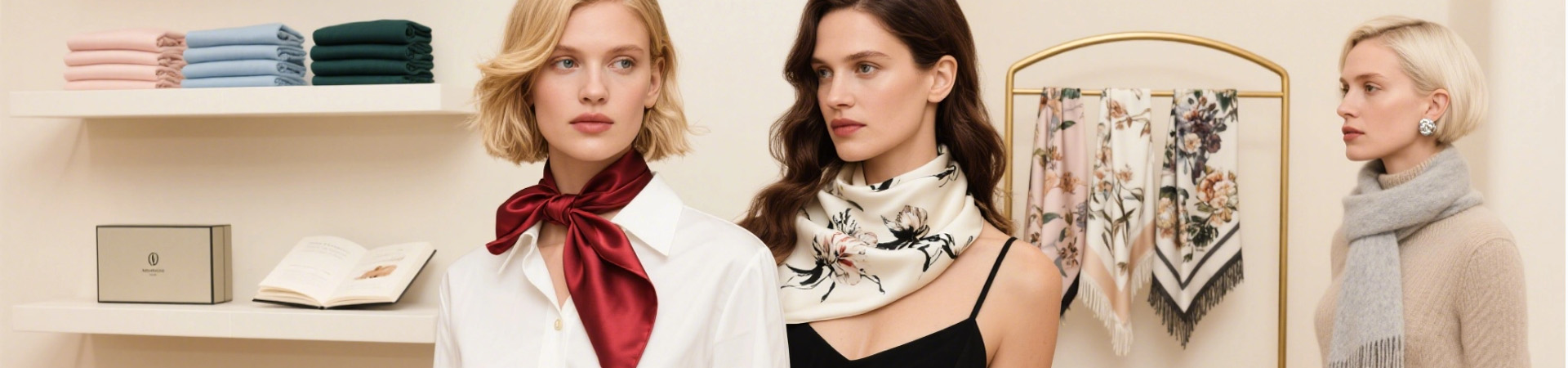
Custom Printed Silk Fabric Supplier: MOQ, Quality & Production Guide for Brands
When customers contact Xinhe Textiles about a silk project, the design is usually already prepared.
Some send a finished scarf pattern. Some share a color reference or a product image they want to develop. Others only have a general idea and need advice on choosing the right material.
The questions usually come after the initial design discussion.
Will this artwork look better on silk twill or silk satin?
Will the printed colors match the original idea?
What quantity makes sense for the first production?
These are common topics before a custom silk project moves into manufacturing.
Silk is a natural fabric, and small differences in weave, weight, finishing, and printing process can change the final appearance. A design that looks perfect on a computer screen may need adjustment after it becomes a physical sample.
For companies developing scarves, fashion accessories, and private label collections, choosing a custom printed silk fabric supplier is not only about finding material. It is about working with a partner who understands fabric selection, sampling, printing requirements, and production consistency.
At Xinhe Textiles, we work with customers on customized silk products, including siidist sallid and printed silk fabric projects, from the first fabric discussion to sample approval and bulk production.

Choosing the Right Silk Fabric for Custom Printing
One of the first questions we receive from customers is:
“Which silk fabric should we use for this design?”
The answer depends on the product.
A luxury scarf collection may need a smooth surface with elegant shine. A lightweight accessory may require softer movement and a different fabric structure.
Different silk fabrics create different printing effects.
Common Silk Fabrics Used for Printing
Silk Satin
Silk satin has a smooth surface and natural shine. It is often selected for products that require a luxurious appearance.
Silk Twill
Silk twill has more structure and is widely used for classic scarves. Many traditional scarf designs use this type of silk because it holds shape well.
Silk Crepe
Silk crepe has a softer texture and refined appearance, making it suitable for fashion accessories and garments. For customers looking for a fabric with elegant drape and printing flexibility, silk crepe de chine fabric is also a popular option.
Silk Chiffon
Silk chiffon is lightweight and flowing, often chosen for products where movement and softness are important. For lightweight printed accessories, silk chiffon fabric can create a softer and more delicate visual effect.
During development, we normally discuss:
- Final product use
- Expected hand feel
- Target customer group
- Printing effect
- Fabric weight
These details help determine the right siidist kangas before production begins.
A fabric choice made at the beginning can influence later steps, including printing quality, cutting efficiency, and the final customer experience.
Silk Fabric Specifications That Affect Printing Results
When sourcing custom silk fabric, many customers focus on artwork first. However, fabric specifications also influence the finished product.
Momme and Fabric Weight
Momme is commonly used to describe silk weight.
A lighter silk usually creates more movement, while a heavier silk provides more structure and durability.
For scarves and fashion accessories, the ideal weight depends on:
- Product positioning
- Expected drape
- Customer preference
- Target market
Fabric Width and Material Planning
Fabric width affects how efficiently the material can be used during production.
Before confirming an order, customers usually discuss:
- Product dimensions
- Cutting layout
- Expected quantity
- Fabric consumption
These details help create a more accurate production plan.
Finishing and Surface Effect
The finishing process can influence both touch and appearance.
A smoother finish may create a brighter surface, while another finish may produce a softer visual effect.
During sampling, these differences become easier to evaluate because customers can see and touch the actual fabric.
How MOQ Works for Custom Printed Silk Fabric Orders
MOQ is often one of the first concerns for new customers.
Large fashion companies may already have regular production volumes. However, many emerging brands prefer to test designs before committing to large inventory.
We often receive inquiries from customers preparing their first scarf collection. They may have several patterns ready but want to understand how the designs perform before producing larger quantities.
The MOQ for custom printed silk fabric depends on several factors:
- Number of designs
- Fabric selection
- Printimismeetod
- Custom requirements
- Total order quantity
A repeat customer may have different conditions because previous samples, specifications, and production records are already available.
Planning a First Production Order
A common development process includes:
- Confirming fabric selection
- Reviewing a printed sample
- Checking colors and details
- Moving into bulk production
Starting with a proper sample stage helps customers make better decisions before larger production begins.
Some online sellers, including businesses testing products through platforms such as Amazon, also use smaller initial orders before expanding successful designs.
How to Evaluate Printed Silk Fabric Quality Before Bulk Production
A successful printed silk fabric project depends on more than the artwork.
The final result is influenced by the relationship between the design, fabric, and printing process.
Color Accuracy and Printing Performance
Color is one of the most discussed topics during silk printing projects.
A customer may approve artwork on a monitor, but the printed sample can appear slightly different.
This is normal because digital screens display electronic color, while silk has its own reflection and texture.
During development, customers may provide:
- Pantone references
- Artwork files
- Previous samples
- Specific color requirements
Depending on the silk type and printing process, finishing treatment and fabric characteristics can influence the final appearance.
In custom silk printing projects, we often see that detailed patterns require extra attention during sample review. After reviewing the first sample, we adjusted the fabric choice because the original material did not show the pattern contrast clearly enough. The second sample matched the design intention much better.
This type of adjustment is easier during sampling than after bulk production begins.
Fabric Feel and Product Experience
Silk products are judged by touch as much as appearance.
During sample approval, customers often check:
- Softness
- Smoothness
- Drape
- Paksus
- Overall hand feel
A printed design needs the right fabric foundation to create the expected product experience.

Why Approval Samples Matter Before Production
A sample is not only a preview. In many projects, it becomes the reference for the entire order.
Before bulk production, customers usually review:
- Fabric selection
- Print quality
- Pattern placement
- Color appearance
- Final product feeling
For printed silk projects, a strike-off sample allows customers to check the actual result on the selected fabric.
Customers who are new to silk customization may also find our step-by-step process for developing a custom silk scarf helpful when preparing their first project.
At Xinhe Textiles, we normally review artwork details, fabric options, and sample expectations before production starts.
Clear approval at this stage helps avoid unnecessary adjustments after manufacturing has begun.
How to Choose a Reliable Silk Fabric Supplier
Price is often the first factor customers compare when searching for a supplier. However, during actual production, communication and consistency become equally important.
A reliable silk fabric supplier should understand the details behind the product, not only provide the material.
Customers usually consider:
- Experience with customized silk products
- Communication during sampling
- Understanding of specifications
- Production follow-up
- Kvaliteedikontroll
- Repeat order management
One common issue in international sourcing is missing information between design and production.
Before manufacturing, both sides normally confirm:
- Fabric type
- Artwork requirements
- Quantity
- Packaging details
- Delivery expectations
For companies developing seasonal collections, keeping production records is especially useful. Approved samples and specifications make future repeat orders easier to manage.
Responsible Production Considerations for Silk Projects
More companies are paying attention to production efficiency and responsible sourcing.
In silk development, practical actions include:
- Reducing unnecessary sample rounds
- Planning quantities carefully
- Avoiding excess inventory
- Keeping clear production records
Better planning can reduce material waste and unnecessary adjustments during development.
Working With Xinhe Textiles for Custom Silk Projects
At Xinhe Textiles, each project starts with understanding what the customer wants to create.
Some customers come with complete artwork. Others need help selecting silk materials or adjusting the design according to production requirements.
The discussion usually covers:
- Suitable silk materials
- Printing requirements
- Sample development
- Production specifications
- Kvaliteedikontroll
Xinhe Textiles focuses on customized silk products, including:
- Kohandatud siidist sallid
- Printed silk fabric
- Custom silk fabric solutions
- Sample production
- Kvaliteedikontroll
For companies looking for a silk fabric manufacturer and long-term production partner, clear communication from the beginning helps create more stable results.
Kokkuvõte
Before a silk order enters production, there are usually many details to confirm.
A fabric choice, a color adjustment, or a sample review can affect the final product. From our experience, solving these points during development is much easier than making changes after bulk production has started.
Xinhe tekstiilid works with customers developing silk scarves, accessories, and customized silk products. If you are preparing a new collection, you can send your artwork or product requirements to our team for review. We can help recommend suitable silk materials, provide a sample development plan, and prepare a quotation based on your project details. If you would like to check the fabric quality first, you can also request a sample before moving into bulk production.FAQ
KKK
Q1: I have a design file. What information should I send to a silk fabric supplier?
A: Usually, we start with a few basic details: the artwork, preferred silk type, quantity, product use, and any color references. Some customers only send a design file at first, and the remaining details are discussed step by step during development.
Q2: Why does my printed silk sample look different from my digital artwork?
A: This happens quite often with silk printing. A screen shows digital colors, while silk has its own shine and surface texture. Under different lighting conditions, some colors may appear softer or slightly different after printing, which is why checking a physical sample before production is common.
Q3: Should I ask a silk fabric supplier about silk satin or silk twill for a custom scarf?
A: A professional silk fabric supplier can usually recommend the better option based on the scarf style, target market, and expected product feeling. Silk satin creates a smoother and brighter appearance, while silk twill provides more structure and a classic scarf feeling. Many customers make the final decision after reviewing the first sample because the fabric effect is easier to judge in person.
Q4: How can brands keep the same quality when reordering printed silk fabric?
A: Keeping approved samples, fabric specifications, color references, and production records makes repeat orders easier. These details give the supplier a clear reference when producing the same design again.
Q5: Can new fashion brands order custom silk fabric with smaller quantities?
A: Yes. Many new brands begin with samples or smaller production quantities before expanding. This gives them a chance to review customer response before investing in larger inventory.

