
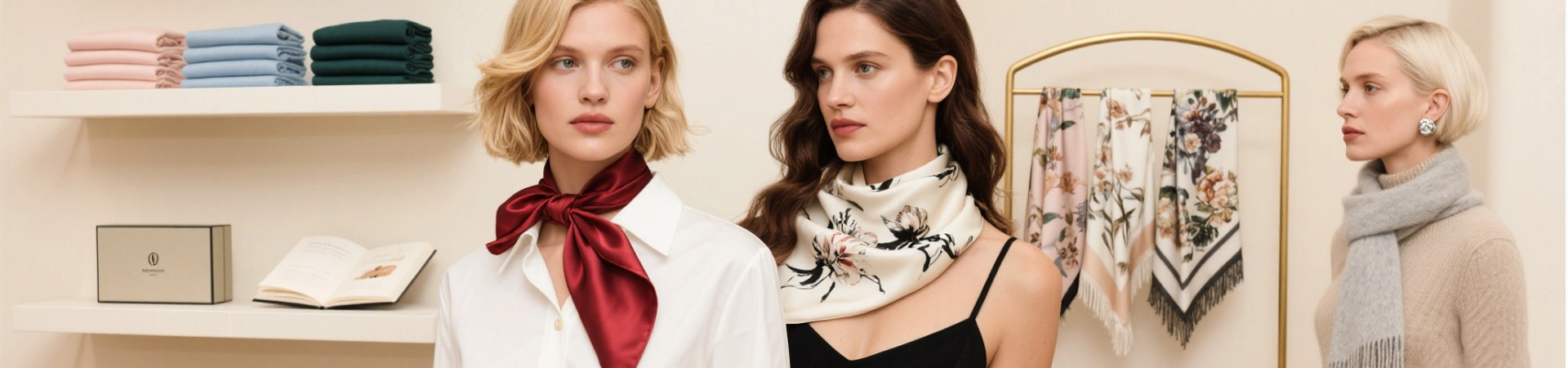
Custom Silk Scarf Designs for Fashion Brands in 2026
A scarf collection often begins with an artwork file, a few color references, or even a simple idea from a designer. But before those ideas become finished products, many details need to be considered — from the way a pattern works on silk to how the scarf will be used in the final collection.
During the development stage, small choices can change the overall result. A large scarf gives artwork more space to develop, while a smaller format creates a different styling effect. Fabric texture, print performance, and finishing details also influence how the original concept is presented.
For fashion brands developing new collections in 2026, pañuelos de seda personalizados offer more possibilities for creating products with a distinct visual identity. Original artwork, personalized patterns, and flexible designs are becoming important directions for brands looking to build recognizable accessory collections.
Why Silk Scarf Trends in 2026 Are Moving Toward Personalized Designs
Silk scarves continue to develop as more than traditional accessories. They provide brands with a unique space to present artwork, seasonal concepts, and visual identity without changing the basic product category.
For designers and buyers, the opportunity is also a challenge. A trend may attract attention online, but a successful collection requires decisions about artwork direction, product format, and manufacturing possibilities. These choices influence whether a scarf becomes a short-term item or a product that represents the brand.
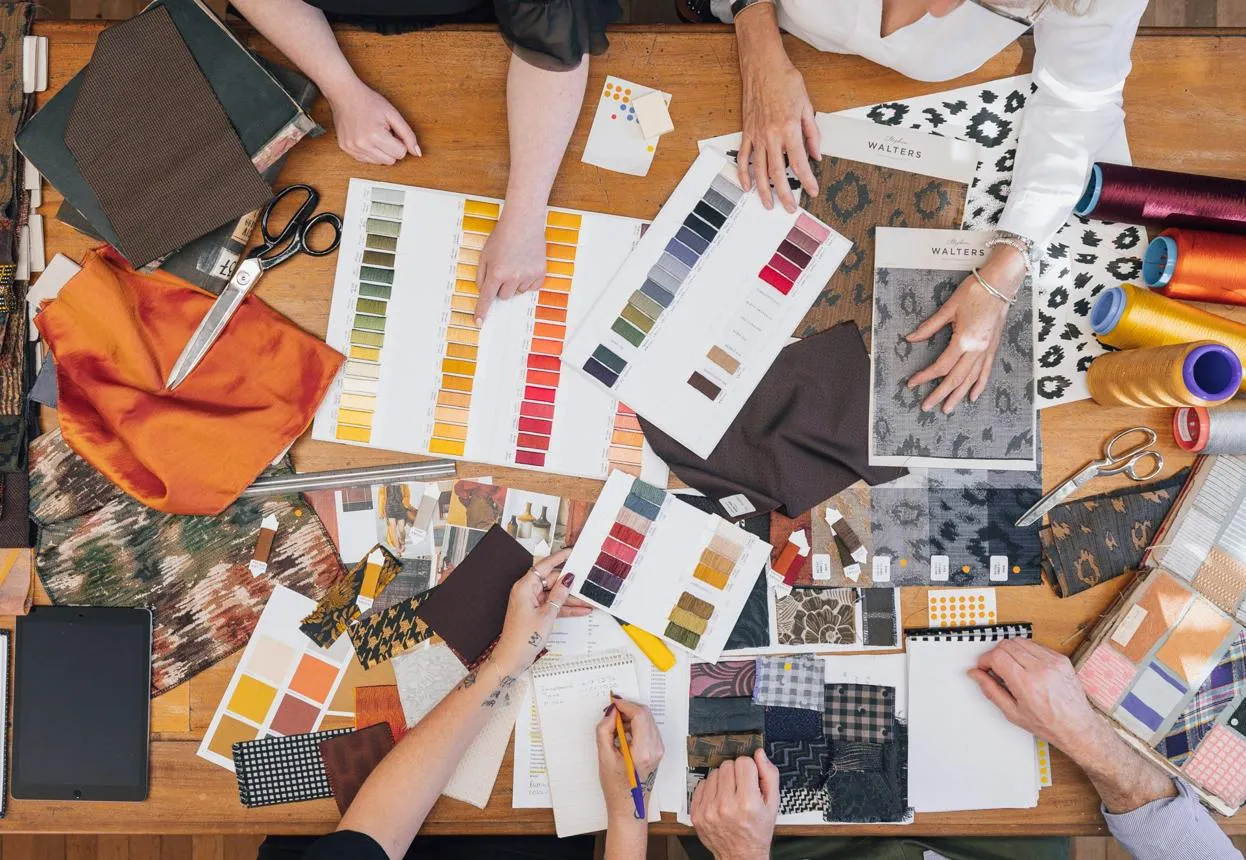
Turning Artwork Concepts Into Market-Ready Products
A silk scarf can carry much more than a decorative pattern. Many brands use scarves to introduce signature colors, illustrations, or seasonal themes that connect with their overall collection.
For example, an artistic scarf collection may focus on detailed patterns and color combinations, while a minimalist collection may rely more on fabric texture and clean finishing. The design direction affects every following decision, from scarf size to printing method.
Textiles Xinhe works with brands on customized silk scarf projects, supporting artwork development, fabric selection, printing choices, and finishing requirements based on different product concepts.
For buyers, choosing the production direction early helps avoid situations where the final scarf does not match the original design idea.
What Custom Silk Scarf Designs Are Worth Developing in 2026?
The most effective scarf collections usually come from a balance between creativity and practicality. Instead of following every seasonal trend, brands often focus on designs that can create a clear product identity.
Current silk scarf trends 2026 show stronger interest in personalized patterns, wearable artwork, and accessories that offer multiple styling possibilities. These directions give brands more opportunities to create collections with their own visual language.
Large Silk Scarves for Flexible Collection Development
Large silk scarves give designers more space to develop complete visual compositions.
Compared with smaller formats, larger scarves allow artwork to extend across a wider surface. This creates more possibilities for floral illustrations, abstract patterns, artistic graphics, and brand-specific designs.
However, size selection is not only a design decision. A larger scarf changes how customers wear and style the product. The artwork needs to remain balanced when the scarf is folded, wrapped, or displayed.
Xinhe Textiles supports customized silk scarf projects with different size and fabric options, allowing buyers to select specifications based on their collection requirements.
For brands developing large silk scarf collections, reviewing artwork placement on the actual scarf format before production can help create a better final result.
Custom Printed Silk Scarves With Original Artwork
Among different product directions, custom printed silk scarves remain one of the most practical choices for brands that want exclusive designs.
Original artwork allows businesses to create products that cannot be easily replaced by standard market designs. Illustrations, brand symbols, seasonal graphics, and customized color systems can all become part of a scarf collection.
The printing method and silk surface also influence how artwork appears. A detailed pattern may require a fabric and printing approach that can present fine lines and accurate colors.
Xinhe Textiles provides customized silk scarf production with options including digital printing, double-sided digital printing, embroidery, and hand-painted techniques.
For buyers researching printed silk scarf trends, the strongest designs usually combine creative artwork with production choices that maintain the original concept.
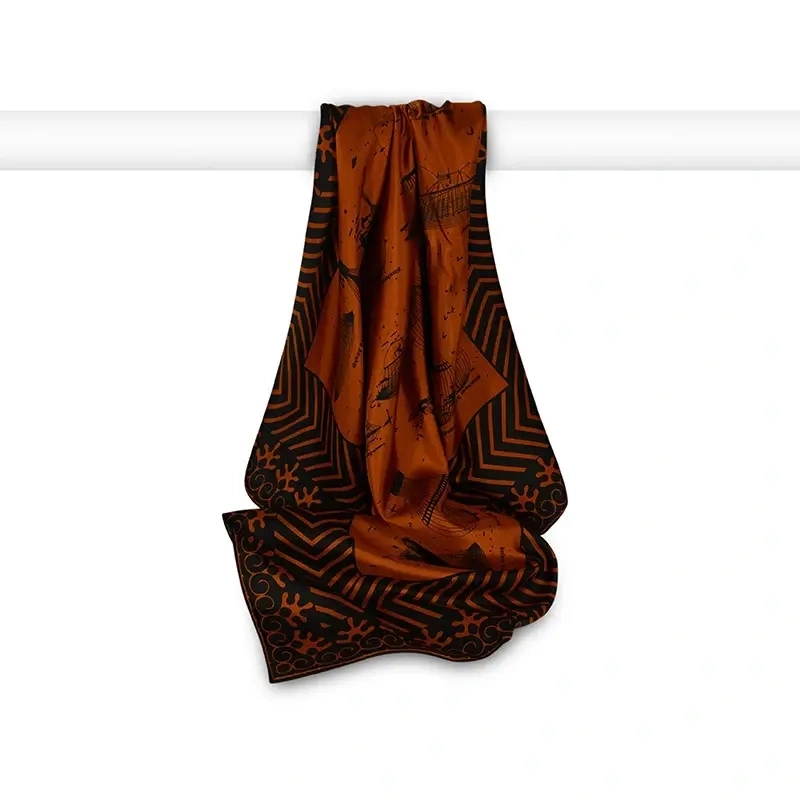
Silk Fabrics for Structured Designs and Detailed Prints
Fabric selection plays an important role in the character of a scarf collection.
Certain silk fabrics are often considered for designs that need a clearer pattern appearance and a more structured feel. The fabric surface can support detailed artwork while maintaining the natural qualities expected from silk.
Different silk fabrics create different results. Some provide softer movement, while others create a different drape and texture.
Xinhe Textiles offers various silk fabric options, including mulberry silk, crepe satin, and habotai silk, depending on the requirements of each customized scarf project.
For brands, selecting fabric together with the design concept creates a closer match between the original idea and the final product.
How Brands Choose the Right Specifications for a Silk Scarf Collection
A strong design concept still needs suitable product specifications. Many development issues happen when artwork is completed before confirming the practical details behind the product.
The right size, fabric, and finishing choices depend on the intended market, customer usage, and collection positioning. These decisions help define the final appearance of the scarf.
Selecting Scarf Size Based on Product Purpose
Different scarf sizes create different customer experiences.
Square silk scarves are often chosen for classic accessory collections, while larger formats provide more space for creative artwork and flexible styling.
Xinhe Textiles provides customized square silk scarves with different printing and finishing options for retailers, designers, and businesses developing personalized collections.
Before production, buyers usually consider how customers will wear the scarf rather than choosing a size only based on visual impact.
Choosing Finishing Details That Match the Design Style
Finishing details can influence the overall impression of a scarf.
A hand-rolled edge creates a traditional handmade appearance, while machine hemming offers a clean and practical finish for many commercial applications.
For collection development, these details are part of the product experience. A simple pattern and a refined finishing style can create a very different market impression compared with the same design using a basic finish.
Why Printing Technology Matters for 2026 Silk Scarf Collections
Printing technology gives brands more flexibility when developing original scarf designs. The right method depends on the artwork style, fabric selection, and expected visual effect.
For product developers, printing is not only a manufacturing step. It directly affects how the design communicates with customers.
Digital Printing for Detailed Custom Designs
Digital printing is widely used for silk scarves because it supports complex artwork, detailed patterns, and flexible color combinations.
This makes it suitable for brands creating seasonal collections, limited designs, or products based on original illustrations.
Xinhe Textiles supports customized printing solutions as part of its silk scarf development process, helping customers move from artwork concepts to finished products.
Double-Sided Printing for More Complete Design Presentation
Some scarf designs are viewed from both sides during daily use. In these cases, double-sided digital printing can provide a more consistent appearance.
This option is useful when the design depends on color continuity and visual balance after folding or styling.
Xinhe Textiles provides double-sided digital printing options for customized silk scarf projects.
From Design Concept to Production: What Brands Need to Prepare
A clear development plan makes communication between brands and suppliers more efficient.
Before contacting a fabricante de bufandas de seda, buyers usually prepare:
-
Artwork files and references
-
Preferred silk fabric
-
Scarf size
-
Printing requirements
-
Finishing preferences
-
Order quantity
Providing these details early allows suppliers to evaluate the project more accurately and discuss suitable production options.
Xinhe Textiles supports customized scarf development from initial requirements through sample confirmation, production, inspection, and delivery.
Conclusión
A successful silk scarf collection starts with a connection between design concept and product execution. Trends can inspire new ideas, but the final value comes from choosing designs, materials, and production methods that match the brand’s customers.
Large silk scarves, original printed designs, and carefully selected silk fabrics give brands more ways to build recognizable collections in 2026. The most effective products are usually those where creative direction and manufacturing possibilities work together.
Xinhe Textiles works with brands developing customized silk scarf collections based on their design concepts and product requirements. Businesses preparing a new project can share collection requirements to discuss design references, preferred styles, and quotation details.
Preguntas frecuentes
Q1: What types of designs work well for custom silk scarves?
A: It depends on the collection direction. Some brands prefer detailed artwork with floral patterns, illustrations, or seasonal themes, while others choose simpler designs built around colors and brand identity. The key is making sure the artwork works well with the scarf size and fabric.
Q2: What details need to be confirmed before producing custom printed silk scarves?
A: Most projects start with basic information such as artwork files, scarf size, fabric preference, printing requirements, and finishing style. Confirming these points early makes it easier to review the design and avoid changes later in production.
Q3: Can brands send their own designs for silk scarf production?
A: Yes. Many custom scarf projects begin with the brand’s own artwork or design references. The production team can review the files and discuss suitable options for fabric, printing, and finishing based on the expected result.
Q4: How do brands decide the right silk scarf size for a collection?
A: The choice usually comes from how the product will be used. A smaller square scarf may fit an everyday accessory line, while a larger scarf gives designers more room for artwork and different styling possibilities.
Q5: What information should be prepared when contacting a silk scarf manufacturer?
A: A clear project brief usually includes the design file, preferred material, scarf dimensions, printing method, finishing requirements, and estimated quantity. With these details, the manufacturer can provide more practical feedback and a more accurate quotation.


