
How Factory Batch Screen Prints A Silk Scarf
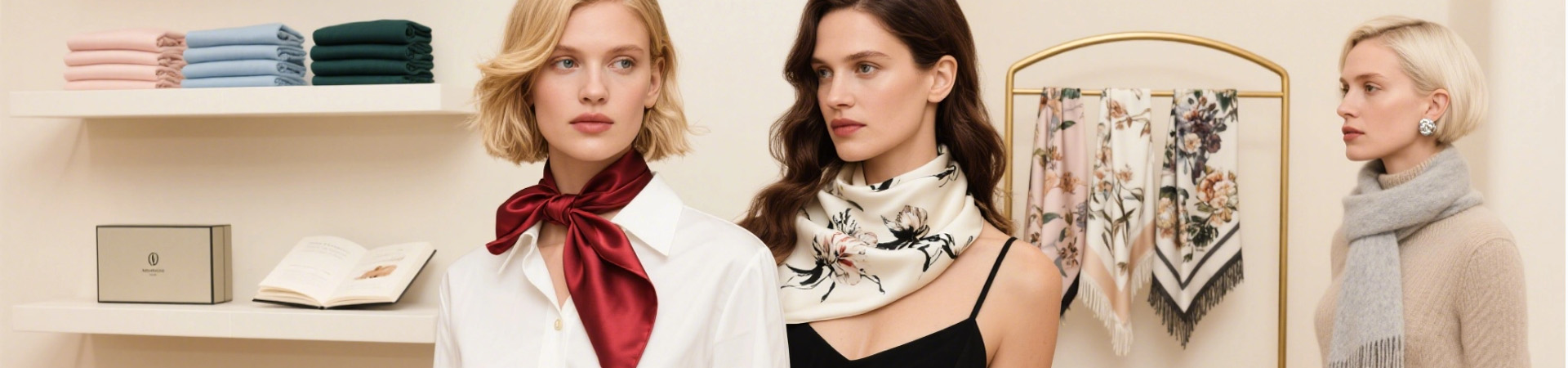
Silk scarves stand for classic luxury items valued for their grace, flexibility, and great touch qualities. In factory environments, factory batch screen printing allows effective, big-volume making while keeping steady quality and bright patterns. This article looks at the full making process used in expert places. It points out key points for wholesalers, fashion brands, and retailers getting top silk goods.
What is Factory Batch Screen Printing?
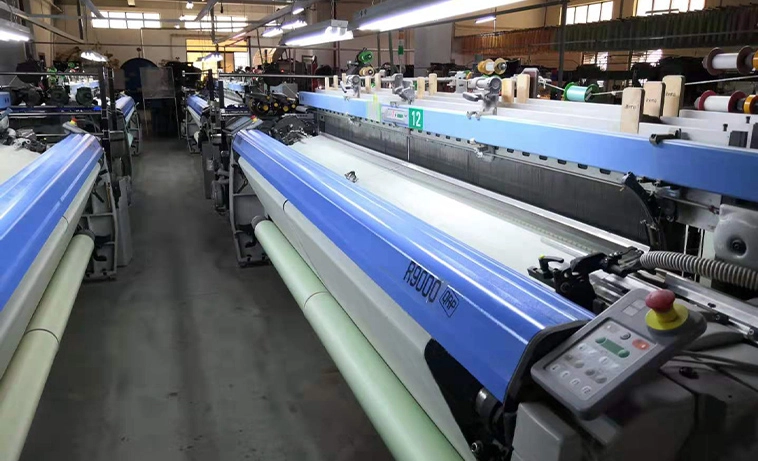
Factory batch screen printing forms a stencil way improved for making many same silk scarves with even color put on and clear lines. Manufacturers make a silk screen stencil from a thin mesh (typically polyester or nylon). They use it again and again on fabric lengths or single pieces. This way backs big runs. It gives cost savings and repeat ability for B2B supply chains.
Unlike single artisanal ways, batch production adds automated or semi-automated parts for better output. It keeps the hand-feel of mulberry silk.
The Beauty and Versatility of Silk Scarves in Wholesale Markets
Silk scarves work as basic items in fashion groups, company gifts, and accessory groups. They offer light breathability, natural shine, and flow. Available in different builds—such as charmeuse, georgette, crepe de chine, habotai, and twill—these fabrics fit varied end uses from light oblong scarves to big square shapes.
In bulk buying, steady fiber quality and print strength affect resale value and brand name. Premium 6G-grade mulberry silk gives great shine and power. It is the top pick for high-end private label programs.
Material Selection and Pre-Printing Preparations
Good batch production starts with careful material choice. Manufacturers get high-quality greige silk fabrics. They check weight (typically 8-16 momme for scarves), weave density, and purity. This ensures best ink take in and final drape.
Pre-printing steps have full scouring and degumming to remove sericin and impurities. Then they stretch the fabric tight on frames. This prep stops shape change during printing. It helps even color go through. Quality suppliers also do pre-treatment tests for pH balance and absorbency. These reduce flaws in big runs.
Creating the Silk Screen Stencil
The main part of the process needs exact stencil prep. Designers turn artwork to digital and put it on coated mesh screens with photo-emulsion ways. Areas to stop ink get hard. Open mesh areas let controlled flow of pigment.
For multi-color designs, separate screens get ready for each hue, making sure perfect registration across batches. This step needs technical skill. Screen tension, mesh count, and emulsion thickness change print clearness and long life in wholesale amounts.
Applying the Ink – The Printing Process
Operators put the ready silk fabric under the screen and fill it with special ink or dye. A squeegee then moves across the screen under steady pressure, pushing color through the open mesh onto the fabric. Each pass lines up for multi-color work.
In factory batch settings, this happens well across many scarves or long fabric rolls. Process controls like squeegee angle, speed, and pressure keep uniformity—key for meeting bulk order details. Acid dyes or pigments made for silk give deep go through and bright results without hurting the fabric’s natural softness.
Achieving Vibrant Colors and Design Complexity
Pigment systems mixed with right binders give good saturation and wash-fastness. Layering ways add depth in detailed patterns, such as paisley or abstract motifs common in luxury lines. Color matching to Pantone standards backs brand consistency across production runs.
Factories improve formulations for silk’s protein fibers, getting better color brightness than many synthetics while keeping breathability.
Drying, Curing, and Color Fixation
Printed materials go through controlled drying—either room or in special ovens—to set the ink. Steaming or heat-curing fixes dyes for good, improving colorfastness against washing, light exposure, and friction. This stage matters for wholesale products expected to handle retail handling and consumer use.
Proper curing stops bleeding and makes sure scarves keep their premium look through many cleaning cycles.
Quality Control Measures in Batch Production
Full check comes after printing. Technicians look at each piece for registration accuracy, color consistency, defects, and dimensional stability. Advanced facilities use many checkpoints, including light-box verification and physical testing for hand-feel and durability.
Statistical sampling and documentation back traceability, giving B2B clients trust in supply chain standards.
Finishing Processes and Value-Added Services
Post-printing improvements raise product appeal. These include soft washing to bring back softness, hand-rolling or machine-hemming edges, and use of fringes where noted. Packaging solutions guard items during transit while showing well for distribution.
Manufacturers may give extra customization, such as labeling, tagging, or bundling, making private label operations smooth.
Advantages of Screen Printing for Bulk Silk Scarf Manufacturing
Screen printing does well in high-volume cases by giving bold, opaque colors and great durability at good per-unit costs once screens are ready. It backs bigger repeats and solid coverage well, making it right for classic patterns in wholesale collections. Setup investments pay back across large orders, giving strong margins for retailers and brands.
Compared to other ways, screen methods often give a special tactile quality valued in certain luxury parts, while keeping production speeds right for factory-scale output.
Comparison with Complementary Printing Technologies
While screen printing leads certain batch uses, digital methods give benefits for short runs, complex gradients, and quick prototyping. Many facilities combine both, picking the best approach based on order volume, design detail, and client timelines. Hybrid abilities give flexibility for wholesalers handling varied portfolios.
Understanding these differences helps procurement teams state needs that balance cost, quality, and lead time.
Sustainability Considerations in Modern Silk Scarf Production
Top manufacturers take water-based inks, energy-efficient equipment, and waste-reduction strategies. Ethical sourcing of mulberry silk, joined with recyclable packaging and low-impact dyes, meets rising demand for responsible supply chains. Certifications and clear processes build confidence among aware B2B partners.
Efficient fabric use and closed-loop practices further cut environmental footprint without losing product excellence.
Supply Chain and Lead Time Management for Wholesalers
Professional producers keep smooth workflows from design approval through sampling (typically 4-8 days) to bulk production (7-15 days or as scaled). Low minimum order quantities joined with reliable logistics options—including express couriers and sea freight—back agile inventory management for brands and distributors.
Clear communication on specifications, file requirements (high-resolution PSD, AI, etc.), and payment terms makes sure smooth transactions.
FAQ
What types of silk fabrics are commonly used in batch screen-printed scarves?
Common options include silk satin, georgette, crepe de chine, habotai, and twill, each offering distinct drape, weight, and texture suited to various wholesale applications.
How does screen printing compare to digital printing for large orders?
Screen printing generally provides cost advantages and strong color opacity for bulk runs with simpler or repeating designs, while digital excels in intricate, multi-color artwork for smaller quantities.
What quality assurances are provided in factory production?
Multiple inspection rounds, colorfastness testing, and dimensional checks ensure consistency. Reputable suppliers offer pre-production samples and detailed documentation.
Are customization options available for bulk orders?
Yes, including custom designs, sizes (square, oblong, bandana), edge finishes, and packaging tailored to brand requirements.
What is the typical lead time for screen-printed silk scarf production?
Sampling occurs within days, with bulk production scaling according to quantity, typically completing within 1-3 weeks after approval.
Partner with a Trusted Manufacturer and Supplier
Xinhe Textiles specializes in supplying high-quality silk fabrics in both plain colors and prints as well as creating high-end and luxurious silk scarves. Businesses seeking reliable production capacity, premium materials, flexible MOQs, and comprehensive customization services are invited to explore collaboration opportunities. Contact the team for samples, quotations, and tailored solutions to elevate product lines with exceptional silk offerings.

