
The Benefits of Silk Scarves Comfort, Elegance, and Timeless Value
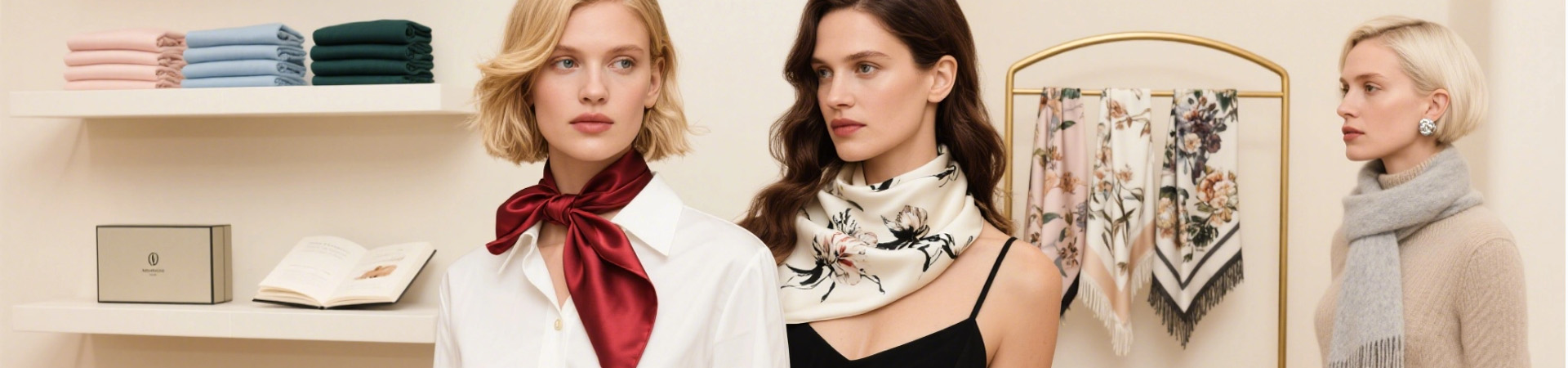
Silk scarves form a key part in luxury accessory manufacturing. They combine strong material performance with many uses in fashion collections, retail lines, and branded merchandise. These items come from old production methods improved over many years. Silk still stands out because of its special protein structure from mulberry silkworm cocoons. This natural fiber gives qualities that synthetic options find hard to copy. Suppliers and manufacturers often choose it for premium inputs in high-margin products. The process takes a lot of work from cocoon reeling to finishing. It creates superior quality and supports its place as a high-value material in the global textile supply chain.
Why Silk Remains a Valued Fabric
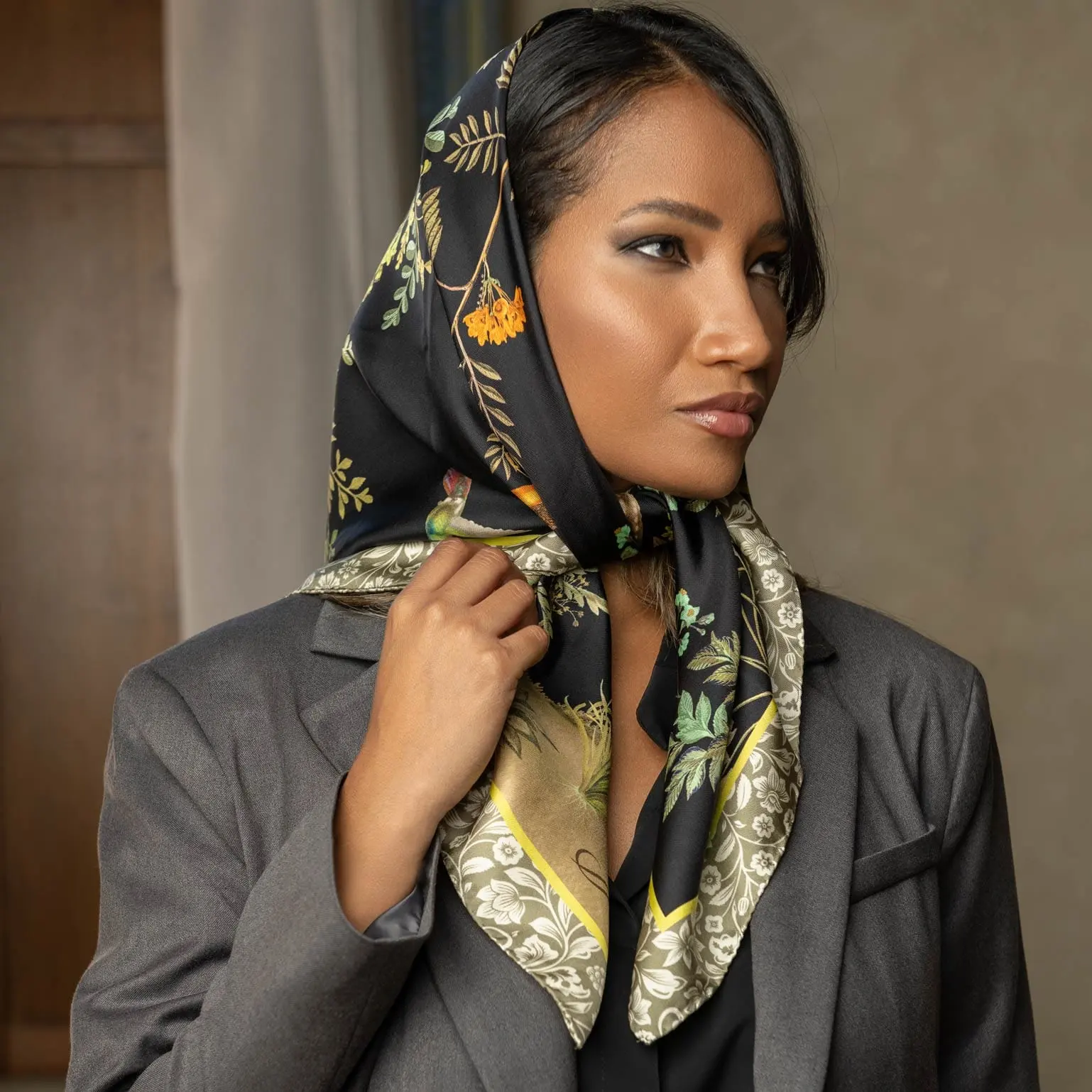
Silk production needs care and skill at every step. Silkworms eat only mulberry leaves. Then they form cocoons. Workers carefully pull out continuous filaments from these cocoons. The result is fibers with natural smoothness, strength, and shine that improve final items like scarves and fabrics. For businesses in the fashion and accessory sectors, silk gives a real advantage through its natural performance features. It works well for daily wear and higher-end collections. Manufacturers gain from its easy use in dyeing, printing, and construction processes. This allows steady output of luxurious items that appeal to a wide market.
1. Naturally Hypoallergenic
Silk shows clear hypoallergenic qualities because of the sericin protein in its makeup. This protein helps the fiber fight common allergens such as dust mites, mold, and fungi. It also keeps good moisture levels and stops bacterial growth. In manufacturing contexts, these features make silk scarves good for sensitive-skin uses or medical-adjacent accessories. Suppliers can position silk-based products with confidence for clients who focus on wellness-oriented or dermatologically considerate lines. The risk of irritation claims stays low. Proper finishing techniques help keep these benefits through the whole product lifecycle.
2. Gentle on Hair
The smooth surface of silk cuts down friction when compared with rougher textiles. When workers use it in scarves or head coverings, this lowers stress on hair strands. It limits breakage, split ends, and dryness during long wear or styling. For accessory producers, this feature adds real value to scarves meant for hair protection or fashion layering. Production lines can highlight this in technical specifications for clients who develop collections with hair health in mind or multi-use designs. It helps offerings stand out in competitive wholesale markets.
3. Temperature Regulation
Silk fibers adjust naturally to surrounding conditions. They trap small air pockets that hold body heat in cooler places. At the same time, they let extra warmth escape in warmer settings. This ability to control temperature comes from the fiber’s protein structure and different breathable weave options. Manufacturers of seasonal accessories or travel-oriented products gain a lot. Silk scarves keep the wearer comfortable in many climates without extra bulk. Fabric weights and constructions, such as crepe de chine or georgette, can be picked to improve this performance for specific end-use needs in bulk production.
4. Comfort Without Compromise
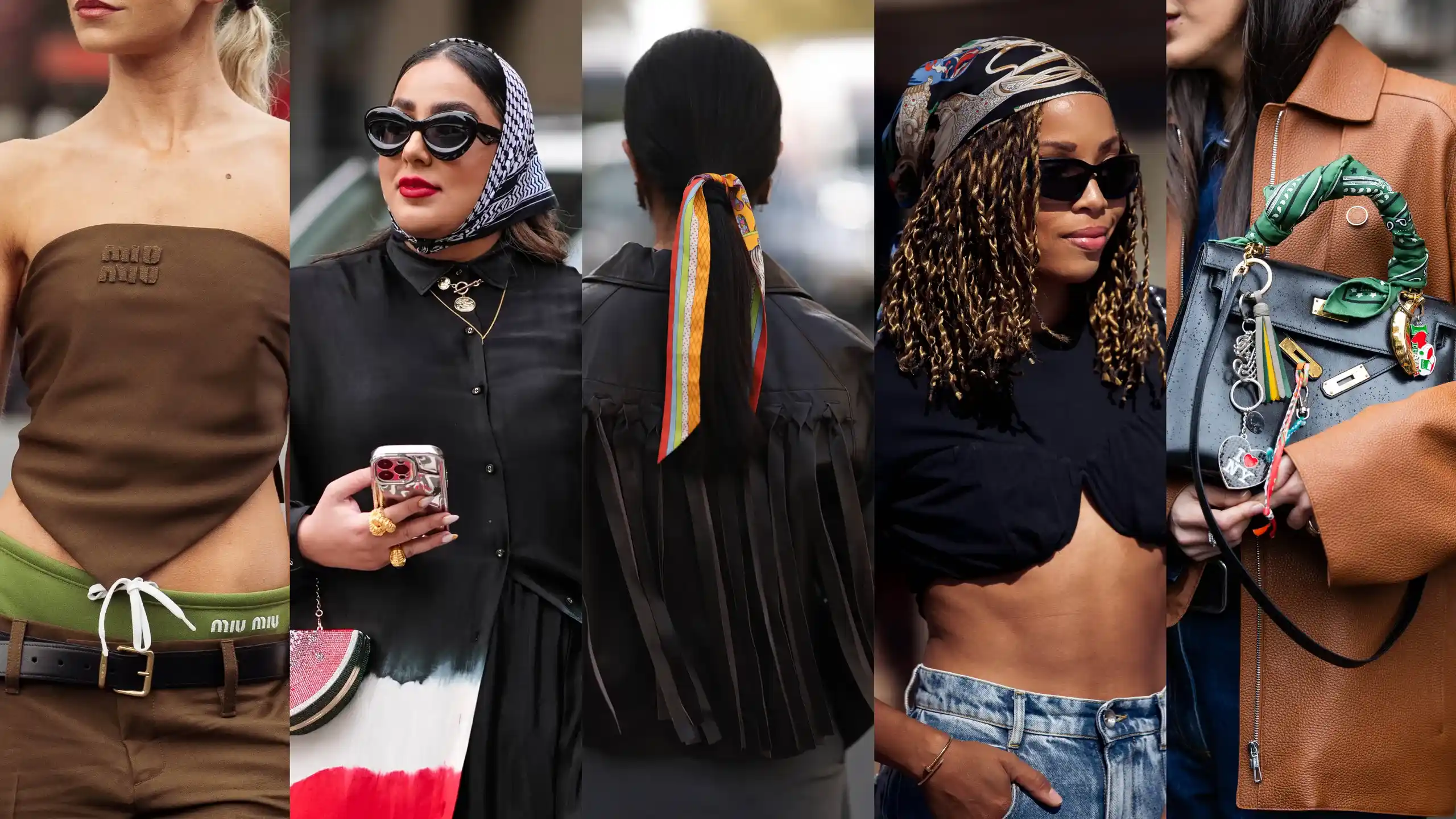
Breathability stays a main trait of silk. It comes from the fiber’s power to move moisture away and support air flow. Scarves made from silk feel light and dry even in humid conditions. They avoid the sticky feeling linked with some other materials. In supply chain terms, this supports creation of versatile accessories for year-round collections. Production processes can include various weaves from satin to habotai. These balance drape, opacity, and comfort. Manufacturers can then meet different retailer specifications while they keep high perceived value.
5. Timeless Appeal
Silk’s natural shine and smooth drape add to a lasting look that goes beyond changing trends. Old links with refinement and careful work strengthen its luxury position. This makes silk scarves perfect for raising brand stories in fashion wholesale or private labeling. The shine comes from the triangular cross-section of silk filaments, which reflects light in an elegant way. For suppliers, this means products that keep visual quality through many retail cycles. It supports long-term inventory planning and repeat business from clients who want classics with fresh execution.
6. Remarkable Durability
Silk looks delicate, but it counts among the strongest natural fibers. Its tensile properties support long life when handled with care. The protein-based construction lets it handle repeated use and gentle care routines. Applications even reach specialized fields that need biocompatibility. In manufacturing, this durability lets scarves and fabrics stand up to production stresses, shipping, and consumer handling while they hold finish quality. Methods such as reinforced hemming or specialized printing improve wear resistance even more. Suppliers then get reliable performance data for B2B documentation and quality assurance protocols.
Final Reflections on Silk
Silk scarves bring together centuries of material science and skilled work. They offer a mix of touch comfort, useful performance, and visual quality. Their place in accessory lines helps premium pricing strategies and brand differentiation in crowded markets. From raw fiber selection to finished goods, the supply chain advantages of silk include versatility in customization, steady quality potential, and built-in luxury perception. These points make it a smart choice for forward-thinking manufacturers and distributors.
Additional Professional Insights for Silk Scarf Production and Supply
Silk Fabric Selection for Scarf Manufacturing
Picking the right silk base fabric affects final scarf performance and market position in a big way. Common constructions include crepe de chine for textured drape and soft shine, georgette for light fluidity and crinkled effects, satin or charmeuse for shiny surfaces good for elegant prints, and habotai for softer, more matte finishes suitable for daily uses. Stretch versions with small amounts of elastane can improve wearability in fitted or wrap styles without hurting the natural hand-feel.
Plain color options give basic inventory for dyeing houses or brands that need matching palettes. Printed bases support detailed digital or screen methods for complex patterns.
Suppliers choose based on end-use factors such as weight measured in momme or grams per square meter, width that fits cutting patterns, and match with hemming or finishing machinery. This careful matching cuts waste and ensures efficiency in scaled operations.
Customization Capabilities in Silk Scarf Development
Modern digital printing methods allow exact color matching and detailed designs on silk bases, including double-sided work that keeps strong color on both sides. Pre-sale steps usually involve fabric and design talks to match material properties with planned scarf sizes such as oblong, square, or bandana formats and different usage cases. Artwork files in high-resolution formats go through changes to production-ready specs. Then come strike-off samples for approval. Low minimum order quantities support prototyping and small-batch tests.
This lets accessory brands or retailers check market response before they move to bigger runs. Quality checks during printing, cutting, and sewing stages confirm color fastness, print alignment, and edge finishing.
Quality Control and Production Standards for Premium Silk Accessories
Strict multi-stage inspection rules from greige fabric intake to final packaging protect consistency in luxury silk scarf output. Use of high-grade mulberry silk guarantees even filament quality and reduces defects such as slubs or color changes. Digital printing progress since the early 2020s has made reverse-side color stronger. This opens more design options for reversible or sheer constructions. Ethical labor practices and substance-free processing meet global buyer needs. Traceability in the supply chain supports documents for certifications. Manufacturers keep flexibility to manage both solid-color and custom-printed programs. They pay close attention to details like hand-rolled hems or machine-sewn edges based on client wishes.
FAQ
What are the primary benefits of incorporating silk into scarf manufacturing programs?
Silk delivers hypoallergenic properties, temperature regulation, breathability, hair-friendly smoothness, timeless aesthetics, and durable performance. These features enable the production of versatile, high-value accessories suitable for multiple market segments.
Which silk fabric types are most commonly used for luxury scarves?
Popular options include crepe de chine, georgette, satin/charmeuse, and habotai. Each one offers distinct drape, texture, and sheen characteristics adaptable to solid color or printed designs.
How does customization work for silk scarf production?
The process begins with design consultation and artwork submission. It continues with sample development that usually takes 4-8 days, then approval, and scaled production that takes 7-15 days. Low minimum quantities support flexible order sizes.
What quality assurance measures ensure premium silk scarf output?
Multi-round inspections cover material selection, printing accuracy, construction details, and finishing. They use high-grade mulberry silk and controlled processes to maintain consistency and luxury standards.
Partner with a Reliable Silk Manufacturer and Supplier
Xinhe Textiles specializes in supplying high-quality silk fabrics in both plain colors and prints as well as creating high-end and luxurious silk scarves. Businesses seeking consistent supply, customization expertise, competitive terms, and dedicated pre-sale support for fabric selection, sampling, and production scaling are invited to explore partnership opportunities. Reach out to discuss specific requirements for silk scarf or fabric programs and discover how integrated manufacturing capabilities can support efficient, high-quality output tailored to brand or wholesale needs.

