
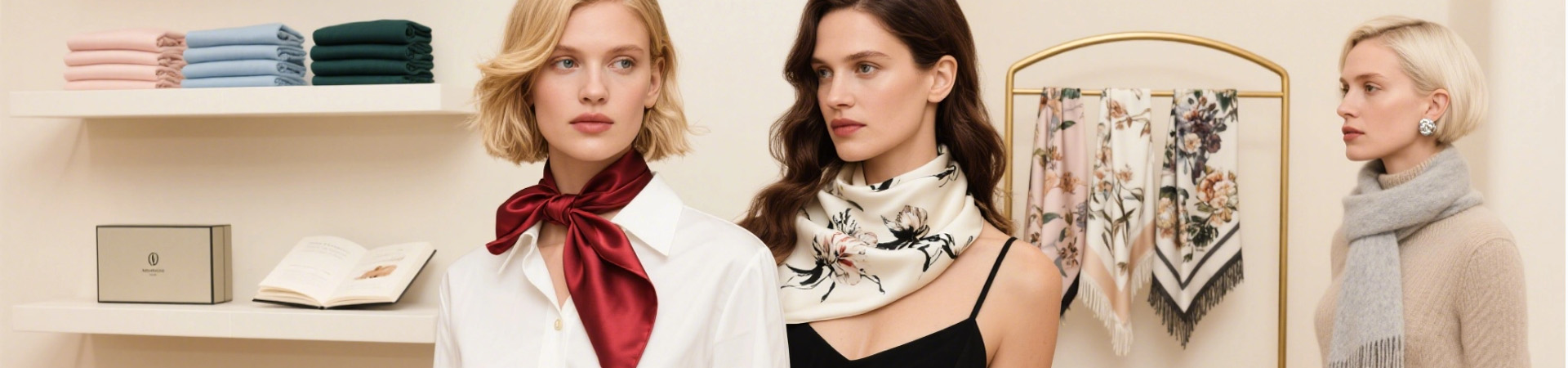
How to Make Silk Scarves Step-by-Step Guide from Design to Delivery
Xinhe Textiles, as a specialized silk scarf manufacturer and supplier, supports fashion brands, wholesalers, and sourcing professionals through every stage of custom silk scarf production. The process turns creative concepts into finished, market-ready accessories. It uses premium mulberry silk and careful craftsmanship.
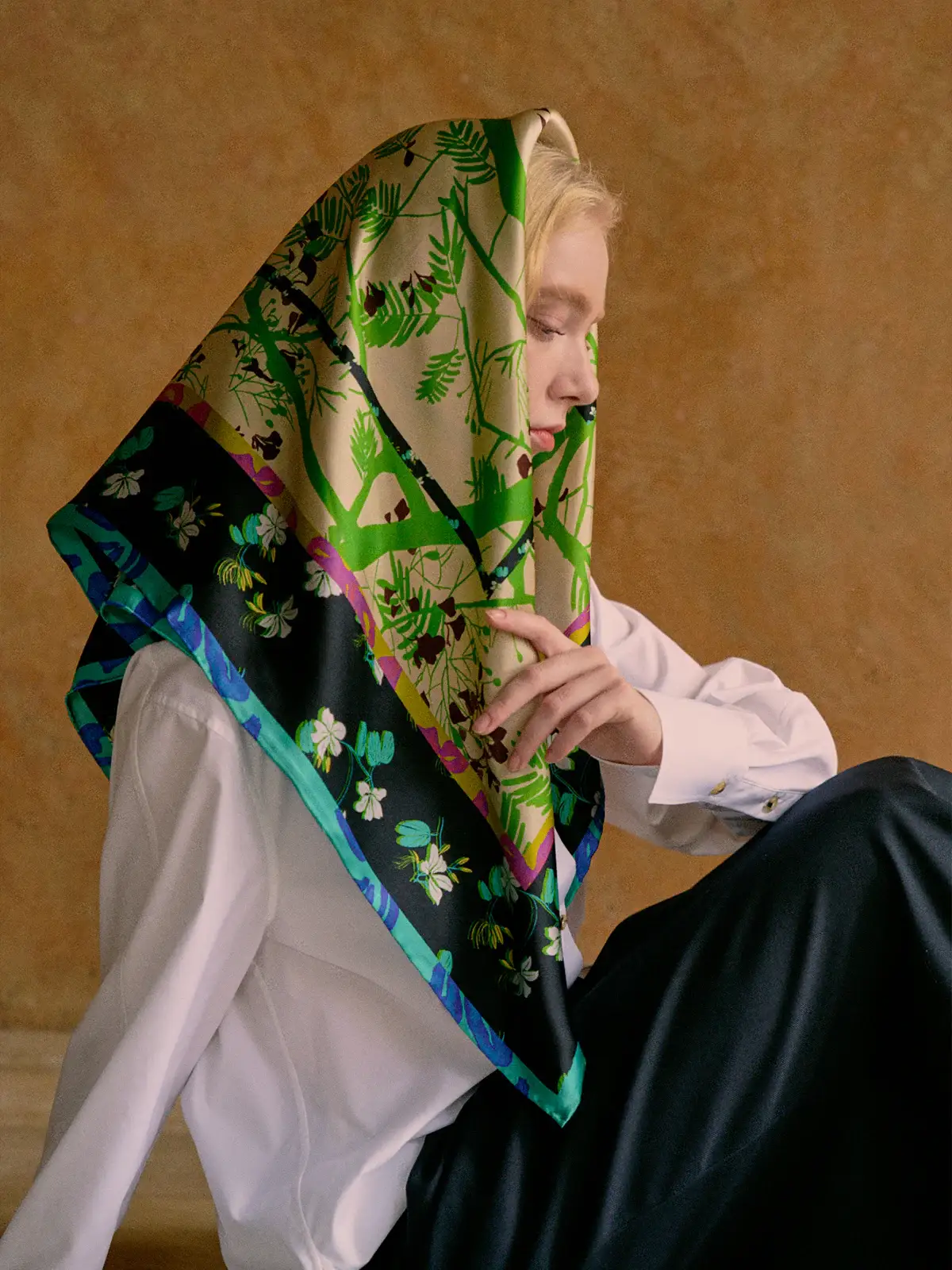
What’s the First Step to Make Custom Silk Scarves?
Production starts with design submission or joint development. Clients send their original artwork. They can also work with skilled designers to improve ideas and create files ready for production. Preferred formats include AI, PSD, PDF, or TIFF at 200-300 DPI resolution. These formats help keep details sharp and colors accurate.
The team receives the files. Then they prepare them for printing. They adjust repeat patterns, scale, and fabric features. A digital CAD mockup or strike-off preview shows how the design looks on the selected silk type and size. This stage lets clients make changes before they create a physical sample. It cuts down mistakes and matches the final product to the brand vision.
Design consultation includes color matching. Teams often use Pantone references. They also consider how patterns flow on different scarf sizes. Expert help makes sure designs work well on silk. This accounts for fabric drape, sheen, and how the material takes in print.
What Silk Fabrics Work Best for Scarves?
Silk fabric choice decides the scarf’s feel, drape, opacity, and strength. Momme weight shows thickness and density. Higher numbers give thicker, more solid results. These suit structured styles.
Recommended options include:
-
Silk Twill (typically 12-14 momme): It gives a light texture and matte look with good structure. This fabric holds bold prints well. It creates a classic luxury look that high-end fashion often chooses.
-
Silk Satin or Charmeuse (12-19 momme): It provides a smooth, shiny surface with strong gloss. The glossy quality improves elegant, high-end designs. It stays soft against the skin.
-
Silk Chiffon (6-8 momme): This material is light and sheer. It works well for airy, flowing scarves. The fabric makes romantic, light effects and layers nicely.
-
Silk Georgette (8-10 momme, including double georgette): It has a light crepe texture with excellent drape. Stretch versions with spandex add comfort and strength for current styles.
-
Silk Habotai: This fabric is light and smooth. It suits delicate prints or solid colors when a soft, fluid feel is needed.
-
Additional specialized fabrics: Silk Crepe de Chine for light texture, silk organza for crisp sheerness, and wool-silk blends for extra warmth in seasonal collections.
All fabrics come from high-grade 6G mulberry silk. This ensures steady quality, bright color absorption, and a rich touch. Plain color choices and custom prints are ready on these bases. Fabric swatches let buyers feel the weight, sheen, and drape before they decide.
How Do We Print Your Design onto Silk?
Printing methods change with design details, order size, and final goal. Digital printing works great for complex patterns, gradients, and photo-like elements. It handles small runs well, even single-piece orders. It also gives exact color match without big setup.
Screen printing fits larger volumes with solid colors or simple repeats. It offers cost savings at scale. It still keeps depth and bright colors. Advanced double-sided digital printing solves old issues with back-side color. It creates even results that show from both sides.
Color calibration happens all through the process. Pantone matching is available for brand consistency. Printing takes place on premium greige silk. This achieves true-to-file results and nice finished looks. Post-print steps include fixing colors. These steps make sure the scarf holds color after washing and lasts longer.
What’s the Best Size for a Silk Scarf?
Standard silk fabric widths—typically 94 cm, 114 cm, or 140 cm—guide efficient cutting to reduce waste. Common practical sizes include:
-
50×50 cm square: This small size works for headscarves, pocket squares, or accessories.
-
65×65 cm square: It is a useful mid-size for neck wear or hair styling.
-
88×88 cm or 90×90 cm square: These are classic sizes that luxury brands like for elegant neck or shoulder draping.
-
Oblong or rectangular formats such as 65×180 cm: They suit shawls, wraps, or statement layering.
-
Custom dimensions: These fit special needs while they optimize fabric layout.
Precision cutting after printing centers artwork correctly. Bandanas, headscarves, and long narrow styles add more choices for different styling needs.
How Are the Edges Finished?
Edge finishing raises the perceived quality and affects durability. Hand-rolled hemming creates a fine, hidden stitch with a rich appearance. Skilled artisans do this for premium pieces.
Machine hemming gives steady, clean results at good speeds. It balances quality and volume. Decorative choices such as fringes, tassels, or lace accents bring special character for stronger brand styles.
Selection depends on scarf style, fabric weight, and target market position. Good finishing stops fraying. It also improves overall drape and professional look.
Can I Add My Brand Logo?
Branding integration strengthens product identity. Options include woven labels, printed logos in corners, care and content tags, and custom hang tags. These elements share material composition, care instructions, and brand story right on the scarf.
Packaging customization continues branding through tissue paper, ribbons, gift boxes, or eco-friendly materials. Co-branded elements create a unified unboxing experience. This supports luxury perception.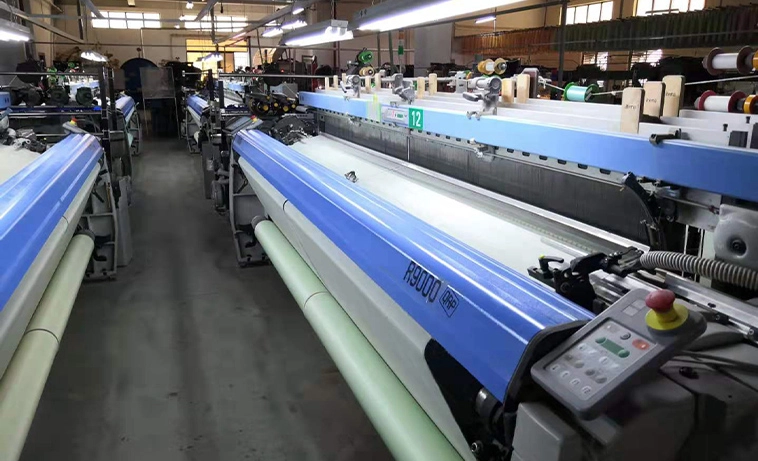
How Long Does Production Take?
Timelines stay reliable through clear stages. Sample development usually takes 5–10 days. This allows checks of design, color, and construction.
Bulk production comes after sample approval. It lasts 15–25 days based on order details and volume. In-house coordination with partner facilities keeps control and efficiency.
Shipping adds 3–7 days via international express couriers such as DHL, FedEx, or UPS. Open communication during the project keeps everything on time.
Do You Offer Quality Inspection?
Multi-stage quality control ensures consistency. Inspections happen after printing for color accuracy and print defects. They occur after hemming for stitching quality. They also take place before packaging for final checks of dimensions, cleanliness, and overall appearance.
Checks focus on thread quality, edge finishing precision, logo placement, and lack of flaws. Use of premium 6G mulberry silk plus strict processes delivers scarves that meet high standards for color fastness, hand feel, and durability.
What Packaging Options Are Available?
Packaging choices go from basic to premium. Basic transparent polybags include needed safety and export labeling.
Custom solutions include branded gift boxes, protective tissue, decorative ribbons, and hang tags. Eco-friendly recyclable or compostable materials attract clients who care about sustainability. Packaging protects the product in transit. It also improves retail or gifting appeal.
Additional Considerations in Silk Scarf Manufacturing
Understanding Silk Grades and Sourcing
High-grade mulberry silk forms the base of quality scarves. Ethical sourcing focuses on sustainable practices. These support traceability and environmental care. Choice of greige fabric with good weave density ensures better print results and long-term wear.
Design File Preparation Best Practices
Good printing starts with well-prepared files. Resolution of at least 200-300 DPI prevents pixelation. Correct color modes (CMYK for digital) and repeat alignment avoid visible seams in patterned scarves. File transfer via secure platforms makes collaboration easier.
Benefits of Low Minimum Order Quantities
Flexible MOQ starting from 1-10 pieces per design or color allows market testing, small collection launches, or personalized orders without big inventory needs. This method lowers financial risk. It still gives access to professional manufacturing standards.
FAQs on How to Make Silk Scarves
What’s the minimum order quantity?
MOQ starts as low as 1-10 pieces per color or design. This fits both testing and larger wholesale needs.
Can I print my own pattern?
Yes, full custom printing supports original artwork across various silk bases with digital or screen methods as needed.
Can I order just a sample first?
Samples, including fabric swatches and pre-production strike-offs, are available. They help check quality, colors, and construction before bulk commitment.
Do you ship internationally?
International shipping happens via reliable express services such as DHL, FedEx, and UPS to places around the world. Cost-effective options are provided.
What file format do I need to submit for my design?
Preferred formats are AI, PSD, PDF, or TIFF at 200-300 DPI resolution for best print results.
Partner with a Reliable Silk Scarf Manufacturer and Supplier
Xinhe Textiles specializes in supplying high-quality silk fabrics in both plain colors and prints as well as creating high-end and luxurious silk scarves. As an experienced manufacturer and supplier, the company delivers one-stop custom solutions backed by premium 6G mulberry silk, advanced printing capabilities including double-sided digital techniques, strict multi-stage quality control, and flexible production that serves global clients efficiently.
Fashion brands, wholesalers, retailers, and sourcing agencies seeking consistent quality, competitive lead times, and responsive support can benefit from this expertise. Whether developing a new collection, testing market response with low MOQ orders, or scaling established lines, professional guidance covers fabric consultation, design optimization, and end-to-end execution.
Reach out today for a no-obligation consultation, fabric swatches, or a customized quote. Transform creative visions into premium silk scarves that meet exact specifications and exceed market expectations through dedicated manufacturing partnership.

